ARVENTO Life · Hawaii · United States
Honolulu by Bicycle: Pacific Light, Living Culture and the Oʻahu Coast
Honolulu is more than Waikīkī. A bicycle links oceanfront parks, Lēʻahi, royal history and everyday island neighborhoods—but tropical heat, trade winds, dense traffic and fragmented facilities mean that every beautiful line still needs a verified return.

How to use this guide
- Official and first-party sources are linked where practical.
- Routes are concepts, not turn-by-turn navigation.
- Weather, surf, construction and facility rules must be rechecked.
- Organizations are editorial references, not automatic partners.
The Honolulu Proposition
A compact Pacific capital opening into an entire island.
Honolulu can begin as a short urban ride beside the ocean and quickly become a demanding island journey. The practical distinction is not simply distance: it is the point where protected space ends, traffic accelerates, wind exposure rises and the return becomes difficult to reverse.
The Promise
Waikīkī, Kapiʻolani Park, Ala Moana and central Honolulu place beaches, parks, food and history within a relatively compact visitor zone.
The Tension
Dense intersections, turning vehicles, heat, sudden rain and discontinuous bicycle facilities can make a short urban distance operationally complex.
The ARVENTO View
The bicycle connects postcard Hawaii with a living city: Native Hawaiian history, royal memory, neighborhood streets and the Pacific landscape shaping daily movement.
Quick Facts
Understand island scale, exposure and cultural context first.
Use these facts as orientation. Verify the current Honolulu bicycle map, road works, park rules, weather alerts and transit conditions immediately before departure.
Waikīkī, Kapiʻolani Park, Ala Wai and central Honolulu can support a short orientation ride when current facilities and crossings are verified.
Roads around Diamond Head add climbing, scenic exposure and traffic complexity without becoming a remote island route.
Places that look close on a map may require long, exposed road connections with limited safe bailout choices.
Heat, humidity, trade winds, intense sun and fast rain showers can change effort and braking conditions.
Hawaiian names, sacred landscapes and royal history should be treated as living identity, not decorative tourism themes.
Call 911 for immediate police, fire or medical help and share a precise street, park entrance, landmark or live position.
Three Scales of Riding
Begin with a reversible city loop; earn the coast gradually.
Honolulu works best as three separate decisions: a visitor orientation, an urban-hill circuit and a regional Oʻahu road ride. Do not merge them automatically into a single itinerary.
Waikīkī + Kapiʻolani Park
Use the park and surrounding visitor district to learn local traffic rhythm, pedestrian density and bicycle access. Save the return point before adding distance.
Decision: shorten the ride when crowds, heat, rain or construction reduce confidence.
Check Honolulu bicycle informationLeahi + Kahala direction
A circuit around Diamond Head can combine ocean views, climbing and residential streets. It is a road ride around the monument—not permission to bicycle on hiking paths or restricted areas.
Decision: verify shoulder width, one-way movements, park access and the safest return before committing.
Check Diamond HeadKaiwi + windward Oʻahu direction
Longer eastern routes can bring dramatic coastline and strong exposure. Traffic speed, wind, heat, road shoulders, water and the entire return define feasibility.
Decision: use a shorter out-and-back or verified pickup whenever a connection or return remains uncertain.
Review local cycling resourcesCity-to-Island Ride Logic
Each transition changes the risk profile.
A scenic map line is not enough. Identify where park space becomes a street, where a bicycle lane disappears, where hills begin and where the city becomes an exposed regional road.
Park edge → urban intersection
Pedestrians, hotel driveways, buses and turning vehicles concentrate around the visitor core. Slow before every transition.
Flat waterfront → volcanic slope
Heat and grade increase effort around Lēʻahi while descending speed raises stopping-distance risk.
Urban network → coastal highway
A route can lose shade, water, shoulder space and easy turn-back options within a short distance.
Trade-wind outward leg → return
A comfortable first half may hide a difficult headwind return. Check wind direction rather than relying only on distance.
City Evidence
Royal history, volcanic form and the Pacific share one frame.
These places explain why Honolulu deserves more than a beach-only description.

ʻIolani Palace
Built in 1882 for King Kalākaua, the palace was the royal residence of Hawaiʻi’s last reigning monarchs. It should be approached as a site of sovereignty, history and loss—not merely a landmark backdrop.
Lēʻahi
Diamond Head is an iconic geological, cultural and historical feature. Its Hawaiian name and managed landscape deserve the same attention as its visual profile.
Waikīkī
The famous shoreline is both a global visitor district and a place transformed by development, water engineering and Native Hawaiian history.
- Official ʻIolani Palace
- Hawaiʻi State Parks: Diamond Head
- City and County of Honolulu bicycle program
- Hawai‘i Bicycling League
-
Hawai‘i Bicycling League is a Honolulu-based 501(c)(3) nonprofit organization founded in 1975. Its mission is to enable more people to ride bicycles for health, recreation, and transportation through advocacy, education, community programs, and cycling events.
Questions Honolulu Actually Raises
Planning answers shaped by an island capital.
The useful questions concern facility continuity, heat, wind, cultural respect and the moment a city ride becomes a regional return.
Is Honolulu suitable for a first visitor bicycle ride?
Yes, when the first ride remains short, reversible and based on current bicycle information rather than a generic map suggestion.
What is the easiest first ride?
Use a conservative Waikīkī and Kapiʻolani Park orientation, saving the return point before adding Ala Moana, central Honolulu or Lēʻahi.
Can I cycle around Diamond Head?
Yes as a verified road circuit, but expect grades, busy visitor movements and sections where traffic position matters. Park trail rules remain separate.
Can I ride to the windward side?
Treat it as a regional road plan. Verify every connection, prevailing wind, traffic, water, daylight and the complete return.
Can I rely on public transport for the return?
Only after confirming current bicycle capacity, size restrictions and service. A full rack or service disruption can invalidate the plan.
Is this page turn-by-turn navigation?
No. Use current official maps and navigation and recheck construction, weather, park access and road conditions immediately before riding.
Arriving and Returning
Island logistics reward advance confirmation.
Daniel K. Inouye International Airport is the principal gateway. Bicycle cases, urban transfers and uncertain bus capacity require a deliberate arrival and return plan.
Airport transfer
Confirm airline bicycle rules, case storage and a vehicle large enough for the packed bicycle. Do not assume every taxi or rideshare can carry it.
Check HNL AirportTheBus and rail
Verify current bicycle-loading rules, capacity and station access directly with the operator. Build a road return that remains viable if transit cannot take the bicycle.
Check TheBusPrivate vehicle
Confirm legal parking, closing times, security and the exact pickup point. Never block beach, park or emergency access.
Bicycle Access
Match the bicycle to the route—not the postcard.
Honolulu offers short-term bikeshare and private rentals, but inventory, fit, permitted range and support vary. Confirm everything directly.
Urban bikeshare
Useful for short point-to-point travel within the service area. Dock availability, time pricing and bicycle condition make it different from a full-day road rental.
Check BikiRoad bicycle
Confirm fit, gearing, lights, repair support and whether the planned coast or hill route is permitted by the provider.
E-bike
Confirm the current Hawaiʻi legal classification, registration or age requirements, sidewalk restrictions and where the specific class may operate.
Stay for the Ride You Planned
Beach access does not automatically mean bicycle access.
ARVENTO does not rank Honolulu hotels. Confirm storage, elevator access, room policy, fees and the actual route from the property to a usable bicycle corridor.
Waikiki
Convenient for the visitor core and Kapiʻolani Park, but pedestrian density, loading zones and building policies can complicate bicycle movement.
Ala Moana and central Honolulu
Potentially useful for broader city access, though major intersections and storage arrangements still require confirmation.
Questions that matter
May a clean bicycle enter the room? Is storage locked? Are there elevators, laundry, early breakfast, tools and luggage or bicycle-case storage?
For cyclist-friendly accommodation
Properties may contact ARVENTO for independent editorial review.
Submission does not guarantee publication or endorsement.


Build an Island Rider Base
Prepare for sun, rain, wind and an exposed return.
The best base lets you shorten the ride, refill water, secure the bicycle and reach help without improvising.
Save the accommodation, rental station, vehicle or verified transit stop before departure.
Carry enough fluid and account for heat, humidity and sweat loss even on a moderate-distance ride.
Use sunscreen, eyewear and lightweight coverage; tropical ultraviolet exposure can be intense.
Carry a tube or plug system, pump, tire levers, multi-tool and charged phone.
Fast showers can make paint, metal covers and descents slippery before the sky appears fully stormy.
Do not enter closed coastal areas or stop where waves, cliffs or traffic make the location unsafe.
Use ARVENTO Travel Tools
Save a return point, locate nearby help and share your current position when appropriate.
Open Travel ToolsTropical Does Not Mean Constant
Plan around heat, wind, rain and daylight.
Check the actual forecast, radar, wind direction and alerts on the day. Conditions vary between Honolulu, ridges and the windward side.
- Winter: Larger rain systems, stronger surf and shorter daylight can affect coastal plans and road debris.
- Spring: Often favorable, but trade winds, showers and strong sun still shape effort and return direction.
- Summer: Start early, carry more water and avoid treating midday heat as a minor inconvenience.
- Autumn: Warm conditions continue; monitor humidity, storms and changing daylight rather than relying on mainland seasons.
Beyond the Resort Image
Honolulu is a living Hawaiian place.
The city’s beaches and skyline exist beside Native Hawaiian sovereignty, royal history, language, migration, military presence and contemporary island life.
- Olelo Hawaiʻi: Preserve Hawaiian spelling and diacritical marks where practical; place names carry meaning.
- Royal Honolulu: ʻIolani Palace and nearby civic sites connect the city to the Hawaiian Kingdom and its overthrow.
- Leahi: Use the Hawaiian name alongside Diamond Head and respect the managed natural and cultural landscape.
- Aloha: More than a tourism greeting, aloha carries relational, ethical and cultural meaning.
- Visitor responsibility: Yield, avoid blocking paths, respect closures and do not reduce sacred or historical places to content props.
-

Yellow Hibiscus
This rare hibiscus naturally grows in dry forests and shrubland across parts of the Hawaiian Islands. Its bright golden color reflects the warm sunlight, tropical climate, and vibrant natural beauty associated with Hawaii.
The Yellow Hibiscus symbolizes joy, warmth, hospitality, and the welcoming spirit of aloha. Its vivid yellow petals represent optimism, happiness, friendship, and positive energy.
Local Culture and Events
The calendar can temporarily change the road.
Exact dates, route controls, bicycle parking and registration rules change. Verify organizers and city notices before booking.
Honolulu Century Ride
Hawai‘i Bicycling League’s signature Oʻahu event links Honolulu with the island’s eastern and windward scenery. Event roads and support do not imply identical conditions on an ordinary day.
Check HBL eventsHaleʻiwa Metric Century
A North Shore cycling event with a different base, route and logistical profile from central Honolulu. Confirm current date and course directly.
Check event informationKing Kamehameha Celebration
Royal commemorations and parades can affect central streets while offering essential cultural context. Confirm the official annual program.
Check official informationHonolulu Festival
A major cultural program in the visitor core that may affect pedestrian density, road access and event movement.
Check the festivalNonprofit and Community Cycling
Honolulu has a clear statewide cycling anchor.
These are independent editorial references, not claims of sponsorship or formal ARVENTO partnership. Verify ride schedules, visitor eligibility and requirements directly.
Hawai‘i Bicycling League
A Honolulu-based 501(c)(3) founded in 1975. HBL promotes bicycling through advocacy, education, events and community rides, including the Honolulu Century Ride and BikeEd Hawai‘i.
Visit Hawai‘i Bicycling LeagueAloha State Bicycle Racing Association
A nonprofit serving Hawaiʻi’s bicycle-racing community. Racing calendars, licenses, categories and event access should be confirmed directly.
Visit ASBRAHBL Community Programs
Education, group rides, senior cycling, advocacy and bicycle reuse programs show that local cycling is broader than sport or tourism.
Explore HBL programsSafety and Emergency
Give responders a precise, usable location.
“Somewhere near the beach” is not enough. Share the street, park entrance, hotel, cross street, landmark, trail name or live coordinates.
Call 911 for police, fire, ocean rescue or urgent medical help.
Follow lifeguard instructions and posted closures. Do not enter dangerous shore areas to retrieve equipment.
Call or text 988 in the United States.
Heat illness
Stop riding, move to shade, cool the body and seek help for confusion, collapse, vomiting or worsening symptoms.
Crash in traffic
Move out of the travel lane only when safe, make yourself visible and follow dispatcher instructions. Do not move a seriously injured person unnecessarily.
ARVENTO Film
Hawaii: ride beyond the postcard.
The film moves from Honolulu’s urban shoreline toward Lēʻahi, tropical landscape and Hawaiian cultural memory. It is a creative interpretation, not evidence of current bicycle access.
Waikīkī introduces Pacific light, movement and the global image of Hawaii.
The cyclist follows Lēʻahi and the coast beyond the resort frame.
ʻIolani Palace and the yellow hibiscus connect landscape with Hawaiian identity and memory.
Use This Guide Responsibly
Editorial guidance does not replace live local information.
Conditions can change after publication. The rider remains responsible for route choice, equipment, fitness, permissions and compliance with law.
- Verify bicycle facilities, construction, weather, park access, event controls and transit rules immediately before travel.
- Respect closures, Hawaiian cultural sites, private property, signals and pedestrian-first areas.
- Distances and route concepts are approximate and are not turn-by-turn navigation.
- Organizations, events and businesses are not ARVENTO partners unless a formal relationship is explicitly disclosed.
- Names and marks belong to their respective owners.
Wear the Story
Carry the islands beyond the film.
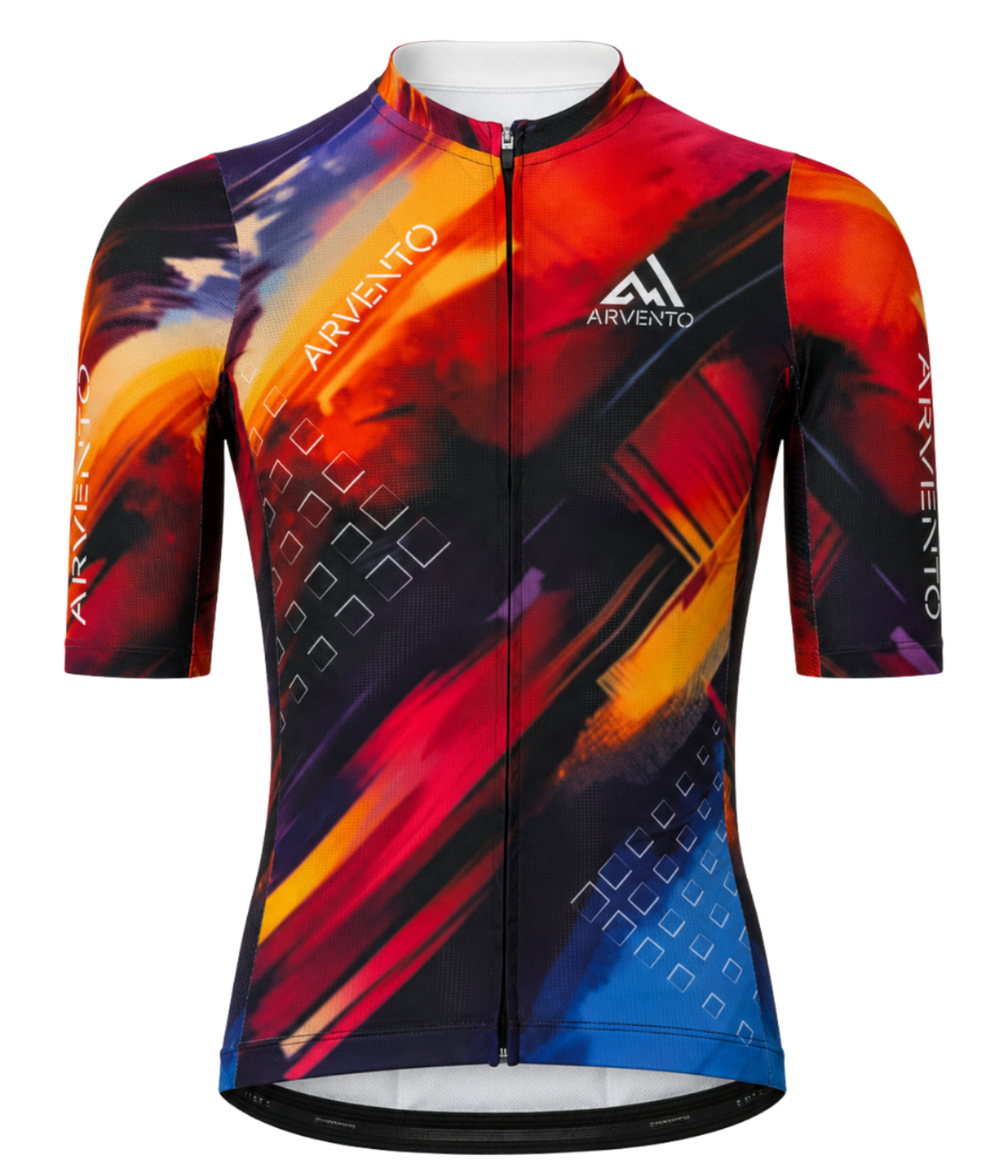
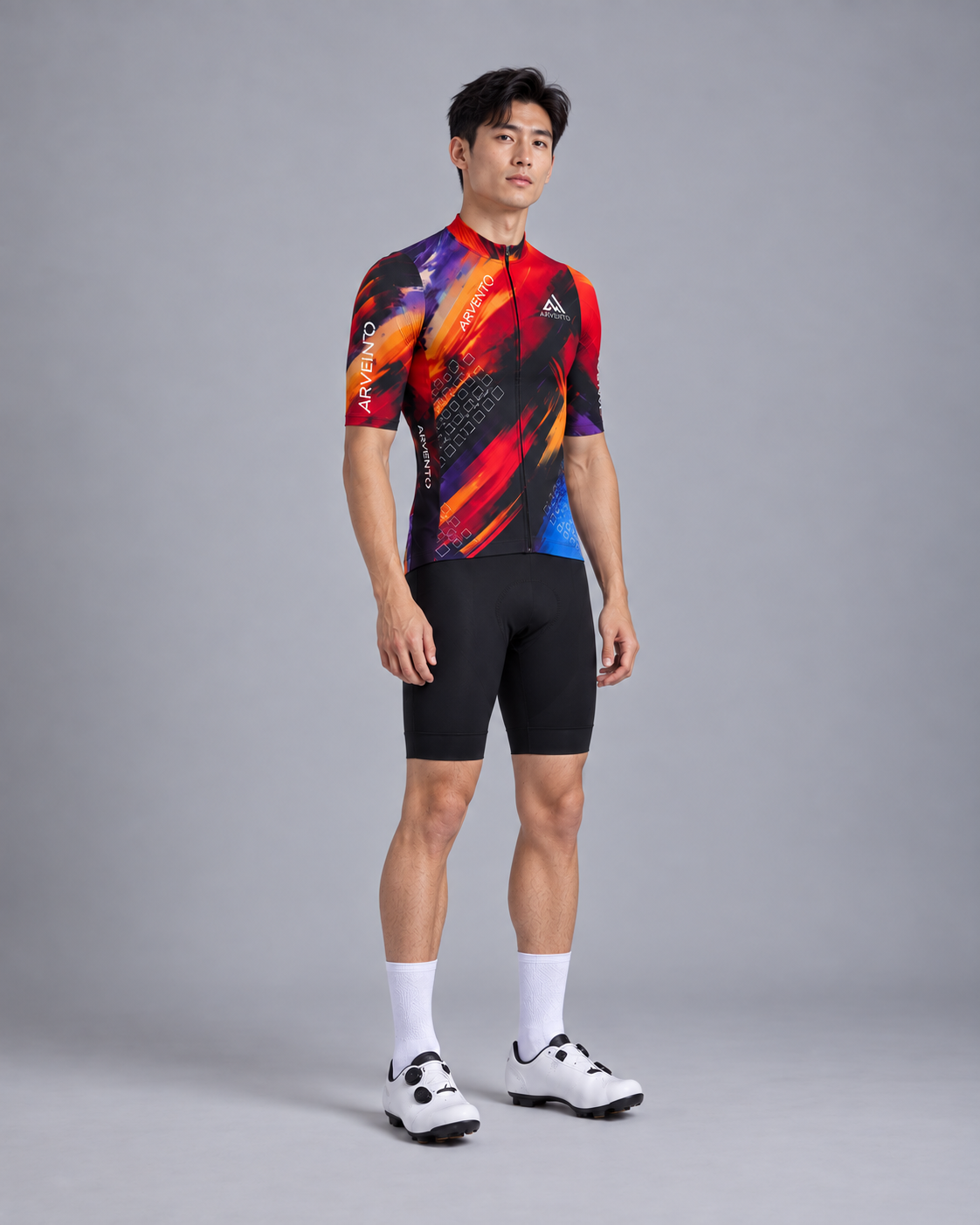
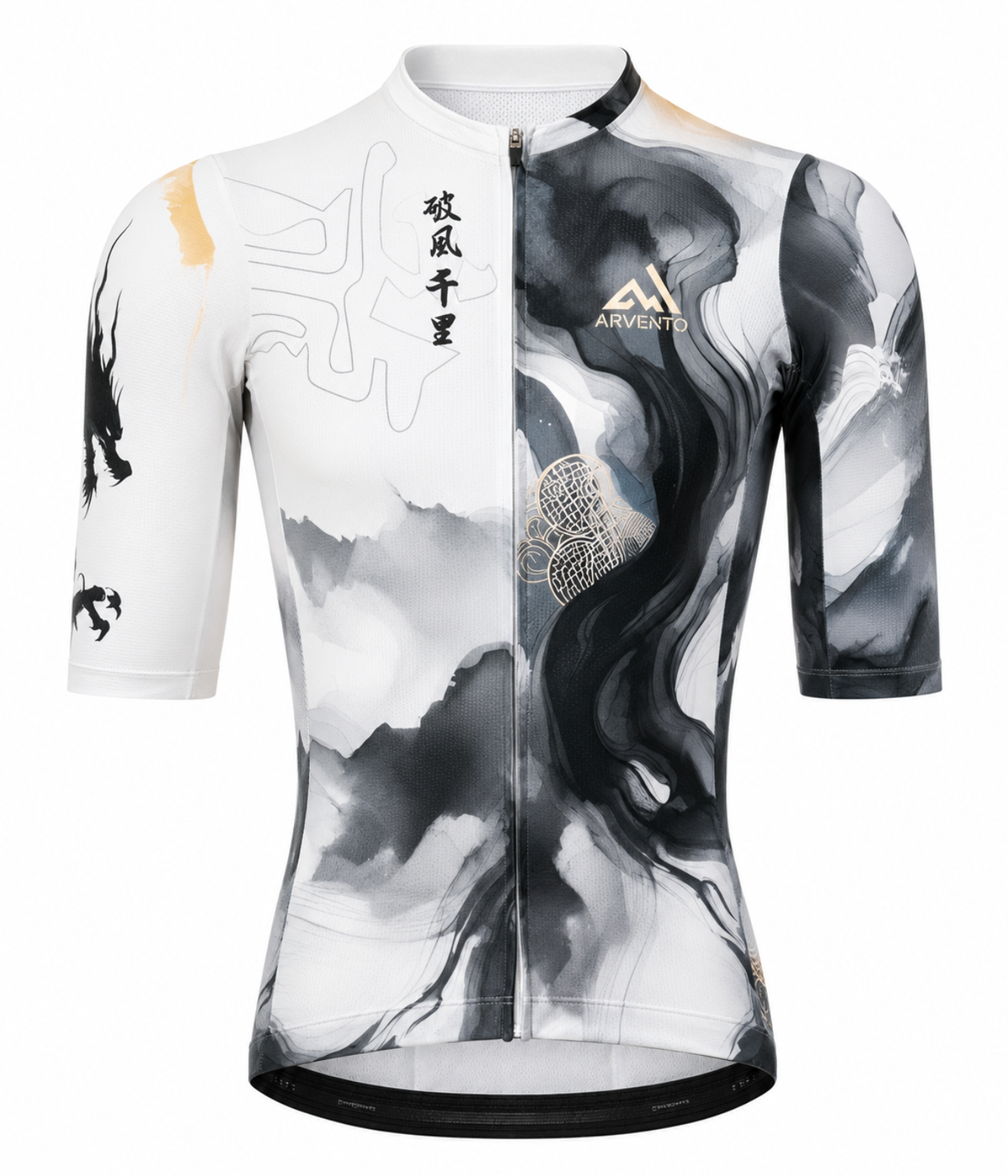
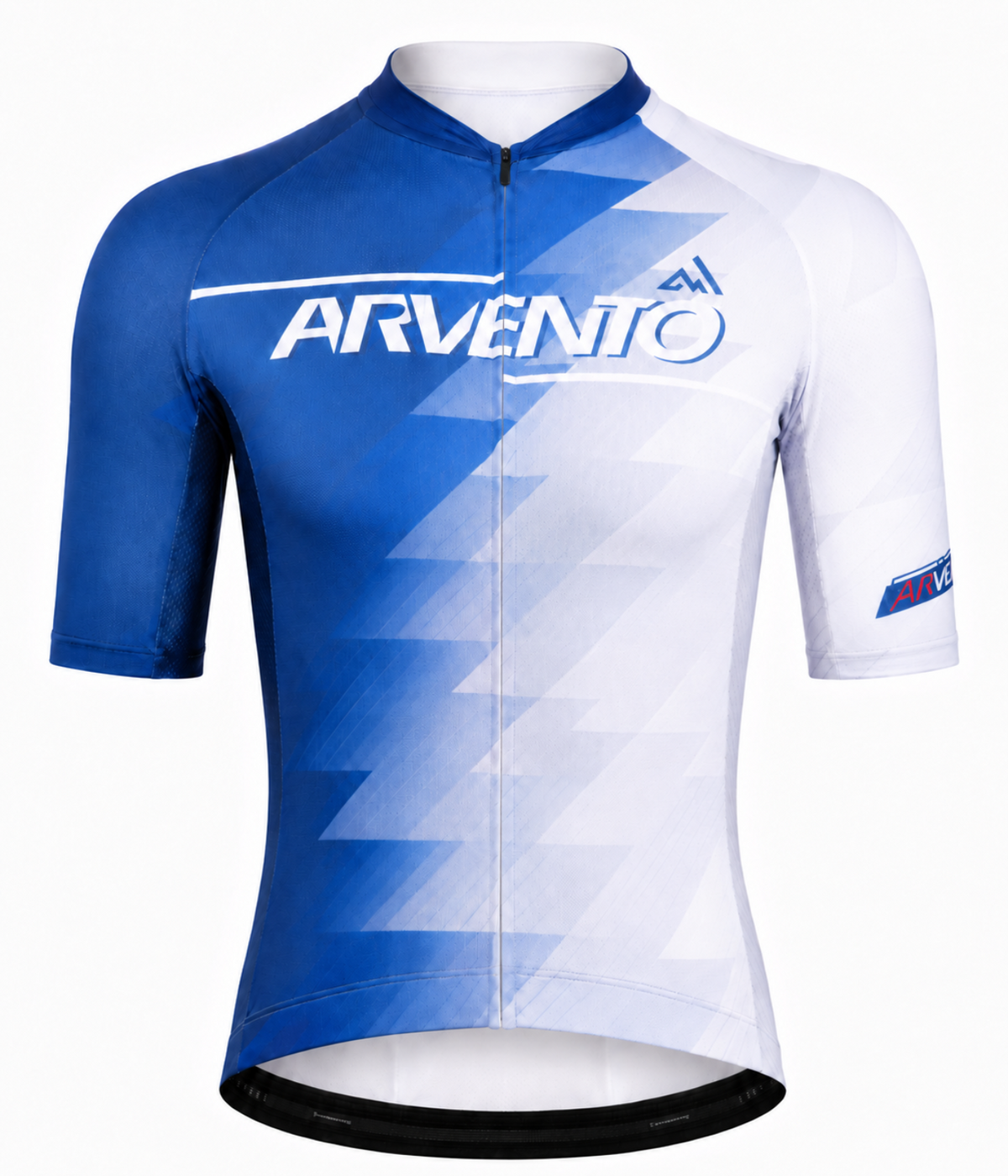
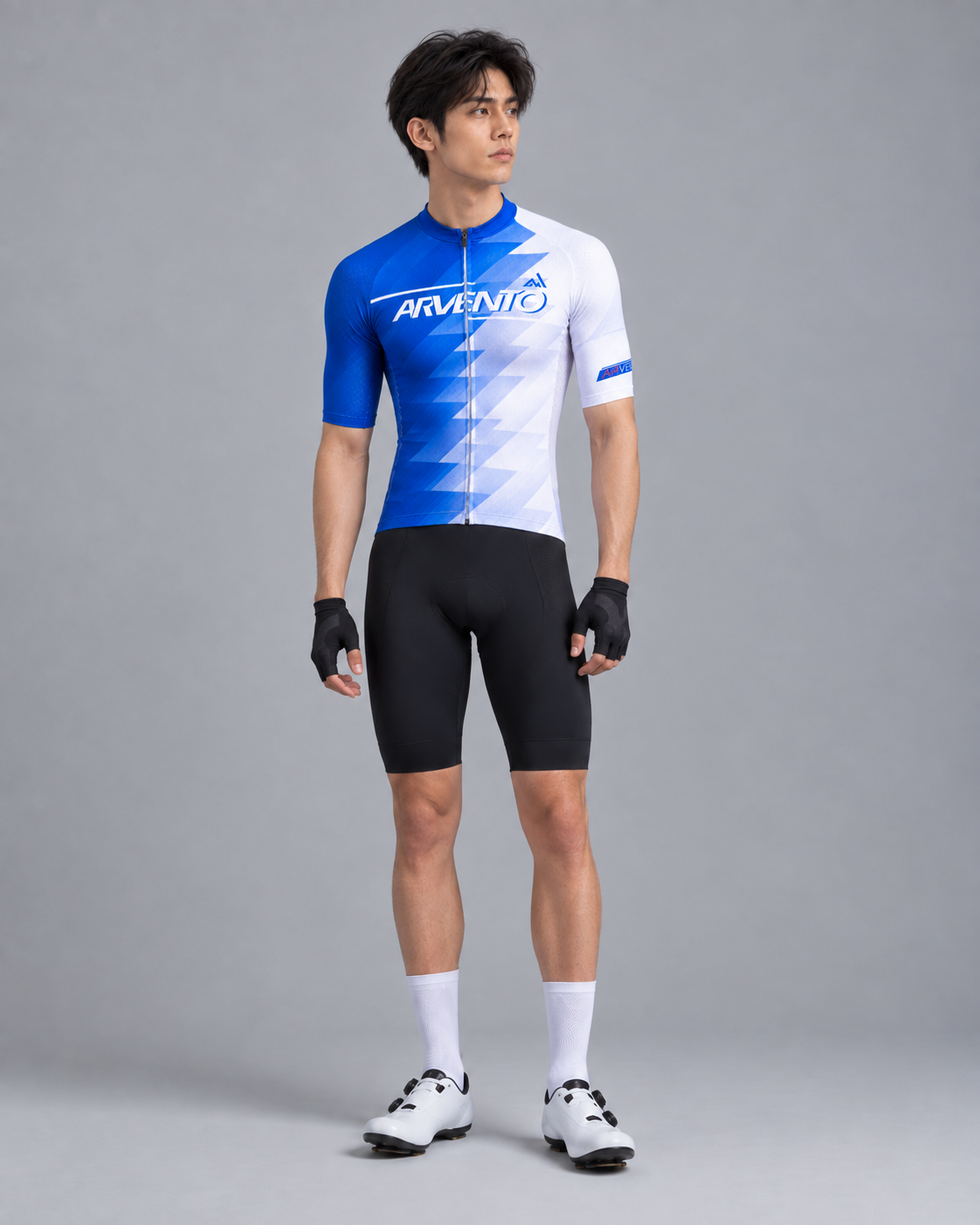
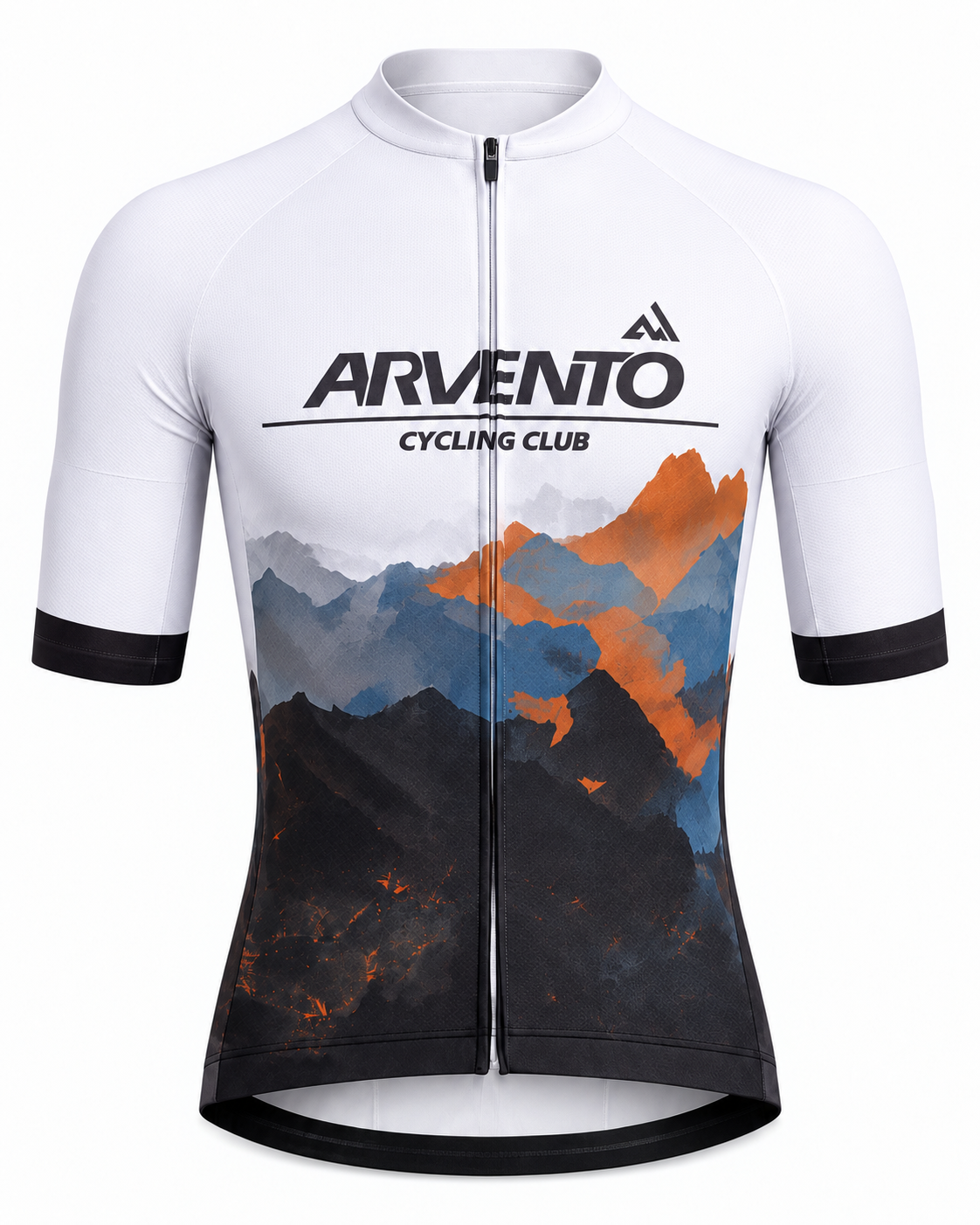
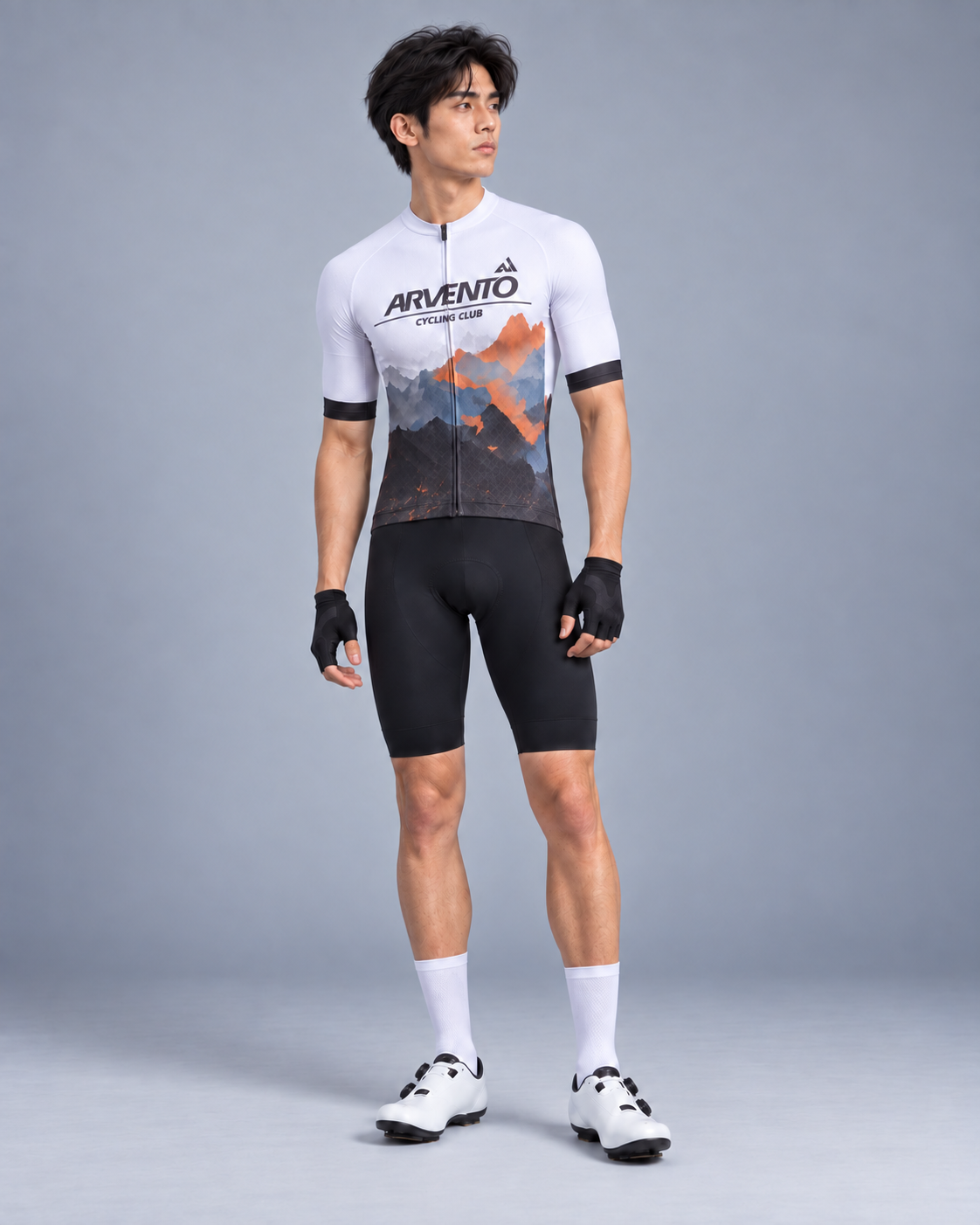
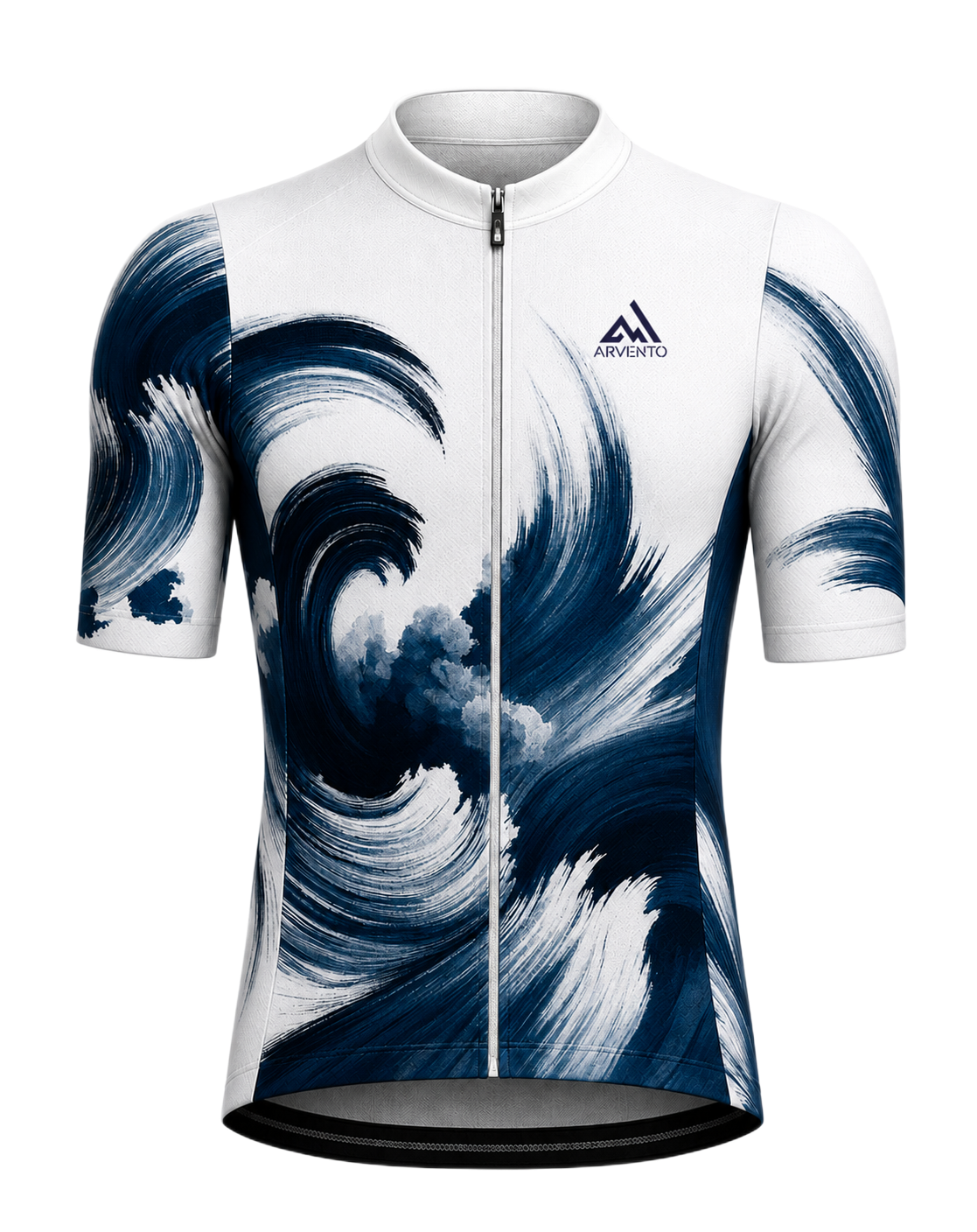
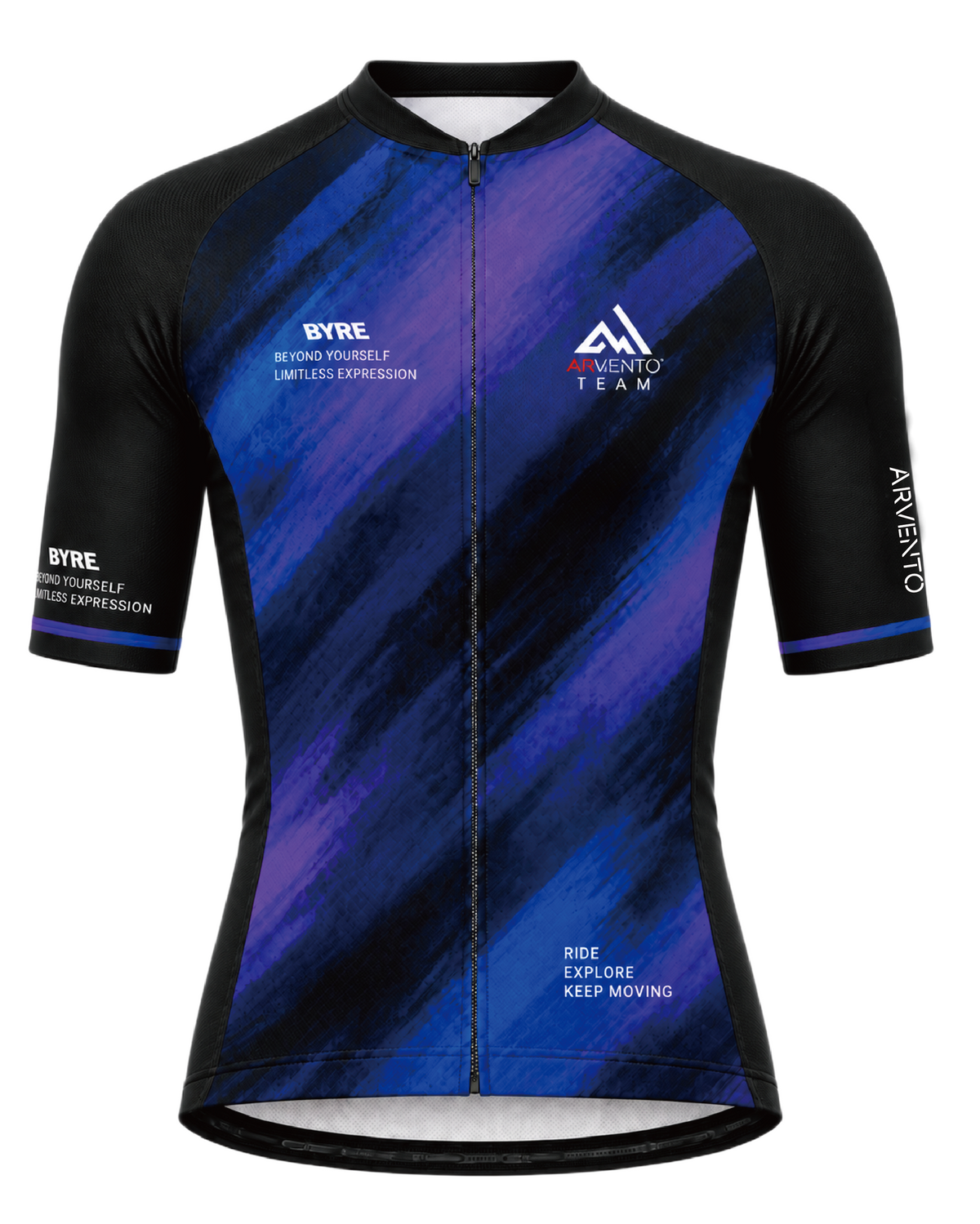
ARVENTO connects cycling apparel with places, cultures and stories. This Hawaii chapter is inspired by Pacific light, tropical wind, Lēʻahi, royal Honolulu and the yellow hibiscus.
Ride the world. Wear the story.
ARVENTO cycling apparel is available through the brand’s current sales channels. Product availability, sizing, price, shipping and tax vary by market.