Skip to content

Cart

Your cart is empty

ARVENTO · MOVEMENT STUDIO / 01

Ride
Better.

A little movement. A better ride.

Make room for movement, before the ride and beyond it. Choose your focus, find a little time, and follow the original ARVENTO demonstrations.

ARVENTO editorial visual · movement & recovery
01 / Choose your focus
02 / Make time for yourself

4 original demonstrations · 40 seconds of movement + 20 seconds of rest per round. After-ride uses the original glute bridge; daily movement uses strength foundations. For dedicated mobility and recovery techniques, explore the original resources below.

Exercise Library

Learn each movement individually, review the coaching guidance, and combine the exercises into a full-screen workout.

Exercise 01 Strength Beginner 40 sec

Bodyweight Squat for Cyclists

Build lower-body strength and improve cycling stability.

Target Area

Glutes / Quadriceps / Core

How to Do It

  1. Stand with your feet approximately shoulder-width apart.
  2. Keep your chest lifted and your spine neutral.
  3. Push your hips backward and lower your body with control.
  4. Keep your knees aligned with the direction of your toes.
  5. Press through your feet and return smoothly to standing.

Cycling Benefit

Strengthens the glutes, quadriceps and core to support climbing control, riding posture and stable power transfer through the pedals.

Common Mistake

Avoid allowing the knees to collapse inward, lifting the heels or rounding the lower back.

Why are bodyweight squats useful for cyclists?

Bodyweight squats strengthen the glutes, quadriceps and core. These muscles help support pedaling control, climbing stability and riding posture.

How many bodyweight squats should beginners perform?

Begin with 10 to 12 controlled repetitions or approximately 30 to 40 seconds. Prioritize movement quality rather than speed.

What is the most common squat mistake?

A common mistake is allowing the knees to collapse inward. Keep each knee tracking in the same general direction as the toes.

Choose a day and time, then hand the reminder to your preferred assistant.
Exercise 02 Core Support Beginner 40 sec

Glute Bridge for Cyclists

Activate the glutes and improve hip stability before or after riding.

Target Area

Glutes / Hips / Hamstrings / Core

How to Do It

  1. Lie on your back with your knees bent and both feet flat on the mat.
  2. Position your feet approximately hip-width apart.
  3. Keep your arms relaxed beside your torso.
  4. Press through your feet and lift the hips with control.
  5. Pause when the body forms a straight line from shoulders to knees.
  6. Lower the hips slowly back toward the mat.

Cycling Benefit

Improves glute activation, pelvic control and hip stability to support smoother pedaling and a more stable cycling posture.

Common Mistake

Avoid over-arching the lower back or allowing the knees to collapse inward. Lift through the glutes while keeping the ribs controlled.

Why is the glute bridge useful for cyclists?

The glute bridge activates the glutes and improves hip stability. This may support smoother pedaling, better posture and more stable lower-body control.

When should cyclists perform the glute bridge?

It can be used before riding as a glute-activation exercise or during an off-bike strength and core session.

How many glute bridges should beginners perform?

Start with 10 to 12 slow repetitions or 30 to 40 seconds, with a short controlled pause at the top.

What is the most common glute bridge mistake?

The most common mistake is overextending the lower back instead of producing the movement through the glutes and hips.

Choose a day and time, then hand the reminder to your preferred assistant.

Exercise 03 Strength Beginner 40 sec

Reverse Lunge for Cyclists

Build single-leg strength, balance and hip stability for better riding control.

Target Area

Glutes / Quadriceps / Hips / Balance

How to Do It

  1. Begin from a relaxed and balanced standing position.
  2. Step one leg backward.
  3. Bend both knees and lower the body with control.
  4. Keep the front knee aligned over the foot.
  5. Keep the torso upright and the hips facing forward.
  6. Press through the front foot and return to standing.

Cycling Benefit

Develops single-leg strength, balance and hip control to support smoother pedaling, climbing stability and lower-body coordination.

Common Mistake

Do not allow the front knee to collapse inward or lean the torso excessively forward.

Why are reverse lunges useful for cyclists?

Reverse lunges develop single-leg strength and balance, which are relevant to the alternating force demands of pedaling.

How many reverse lunges should beginners perform?

Begin with 6 to 10 controlled repetitions on each side, depending on balance, experience and comfort.

Which leg performs most of the work?

The front leg performs most of the driving work as the rider presses through the front foot to return to standing.

What is the most common reverse-lunge mistake?

Common mistakes include stepping too narrowly, losing balance or allowing the front knee to collapse inward.

Choose a day and time, then hand the reminder to your preferred assistant.

Exercise 04 Core Support Beginner 40 sec

Forearm Plank for Cyclists

Build trunk endurance to support a more controlled riding position.

Target Area

Core / Shoulders / Torso Stability

How to Do It

  1. Place both forearms on the mat.
  2. Position the elbows beneath the shoulders.
  3. Extend both legs behind the body.
  4. Create a straight line from the shoulders to the heels.
  5. Engage the core and keep the hips level.
  6. Breathe naturally while maintaining the position.

Cycling Benefit

Improves core endurance and torso stability, helping cyclists maintain a controlled posture during longer riding efforts.

Common Mistake

Avoid allowing the hips to sag, rise excessively or shift from side to side.

Why is the forearm plank useful for cyclists?

The forearm plank builds core endurance and torso stability, which can help support posture and upper-body control while cycling.

How long should beginners hold a forearm plank?

Start with 15 to 30 seconds of stable form. Increase the duration gradually rather than holding a compromised position.

Where should the elbows be positioned?

The elbows should generally remain directly beneath or close to beneath the shoulders.

What is the most common forearm-plank mistake?

The most common mistake is losing a neutral body line by allowing the hips to sag or rise too high.

Choose a day and time, then hand the reminder to your preferred assistant.
Workout Playlists

Select a workout and follow the movements in full-screen TV or big-screen mode.

Ride Better provides general fitness education and is not a substitute for professional medical advice, diagnosis or treatment. Stop exercising if you experience pain, dizziness or unusual discomfort.

ARVENTO · REMIND ME

Exercise Library

Set a simple weekly reminder to return, choose a movement, and keep your strength routine going.

REPEAT
10:00 PM
Reminder message: Have you moved today? Take a moment to move for yourself.

Choose ChatGPT from your device’s share menu.

Sharing or copying instructions does not create a reminder. Finish setup in your chosen assistant and check its confirmation.

Reminder shared.

ARVENTO RIDE BETTER

Trusted Fitness Resources

Explore trusted resources for strength, mobility, recovery, exercise education, and healthier everyday movement. Ride Better begins with active people in mind, but the fundamentals of moving well extend far beyond cycling.

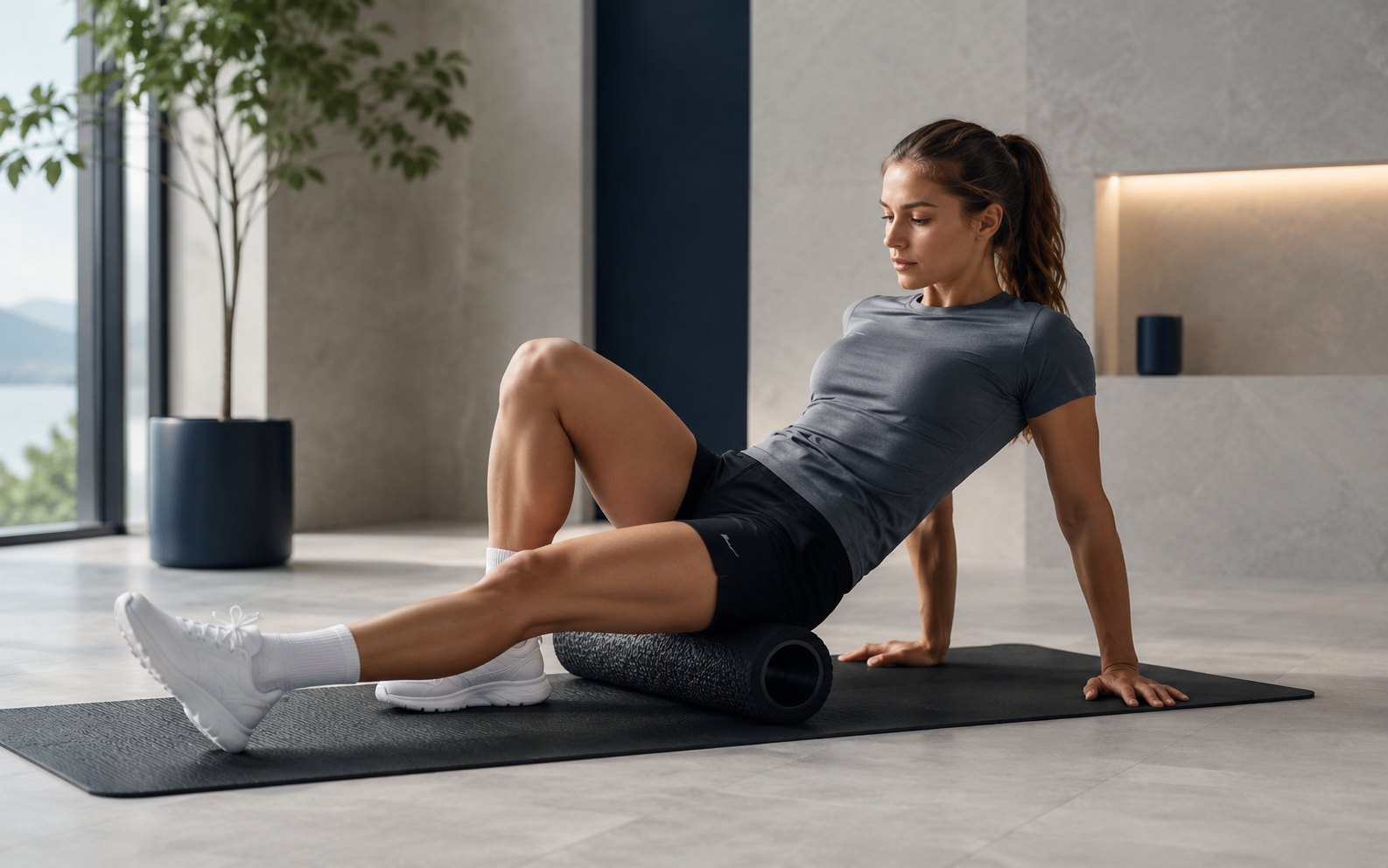
Woman using a foam roller for mobility and post-exercise recovery in a modern fitness studio
ARVENTO editorial image showing foam rolling for mobility and post-exercise recovery.
ARVENTO visual

Featured Educational Resource

American Council on Exercise

Exercise Education for Better Movement

ACE provides public exercise education covering movement technique, strength, stability, mobility, recovery, body-weight cardiorespiratory training, and general fitness.

ARVENTO organizes selected pathways into these resources so visitors can begin with a clear question, understand why a topic matters, and continue learning from the original source.

Explore ACE Exercise Library

Five ways to explore better movement

Start with a practical need: build strength, add simple cardiorespiratory movement, improve mobility, understand exercise principles, or find individualized professional guidance.

Standing calf raise

01

Strength & Movement

How can stronger muscles support better everyday movement?

Strength training can support stability, movement control, physical capacity, and everyday tasks such as walking, climbing stairs, carrying, and maintaining balance.

Visual example: a simple standing calf raise. Use the ACE Exercise Library to explore professionally described exercises, movement technique, and exercise variations.

Explore ACE Exercise Library
High knees

02

High Knees & Cardiorespiratory Movement

Where do high knees fit into a body-weight workout?

ACE includes high knees in place among cardiorespiratory body-weight interval exercises. For entry-level exercisers, ACE also uses marching high knees as a lower-complexity option and emphasizes keeping the core engaged.

The linked ACE article explains body-weight interval training, exercise selection, intensity, recovery, warm-up, and cool-down considerations.

Explore ACE High Knees Resource
Mobility

03

Mobility & Recovery

Why do mobility and recovery matter after physical activity?

Mobility work and appropriate recovery can support comfortable movement, maintain usable range of motion, and help the body transition between activity and rest.

ACE publishes educational material on foam rolling, movement quality, and recovery. The animation shown here is an original ARVENTO illustration.

Explore ACE Recovery Resource
Athlete reviewing exercise information on a tablet after training Exercise education

04

Exercise Science

How can exercise education help people train more effectively?

Understanding basic exercise principles can help people make more informed decisions about movement, progression, training habits, and recovery.

ACE commissions and publishes research on exercise practices, products, and fitness trends to help the public and professionals evaluate them more critically.

Explore ACE Research & Studies
Fitness professional guiding an athlete through a controlled mobility exercise Professional guidance

05

Professional Guidance

When can individualized exercise guidance be useful?

Exercise needs can vary with age, experience, mobility, training history, and personal goals. A qualified professional can help adapt exercise selection and progression to the individual.

ACE provides a public directory for locating ACE-certified fitness professionals.

Find an ACE Pro

ADDITIONAL TRUSTED SOURCE

Supporting Public Health Resource

For broader health context beyond exercise technique, MedlinePlus provides public information on exercise, physical fitness, activity types, safety considerations, and related health topics.

ARVENTO visual

Public Health Resource

MedlinePlus Exercise & Physical Fitness

Evidence-Based Health Information

What are the main types of exercise and how can they support overall fitness?

MedlinePlus explains major exercise categories including aerobic activity, strength or resistance training, balance exercise, and flexibility work. It also provides guidance on building activity gradually, mixing different forms of exercise, and considering individual health and ability.

Visit MedlinePlus

ARVENTO RIDE BETTER · 03

Strength
for Life

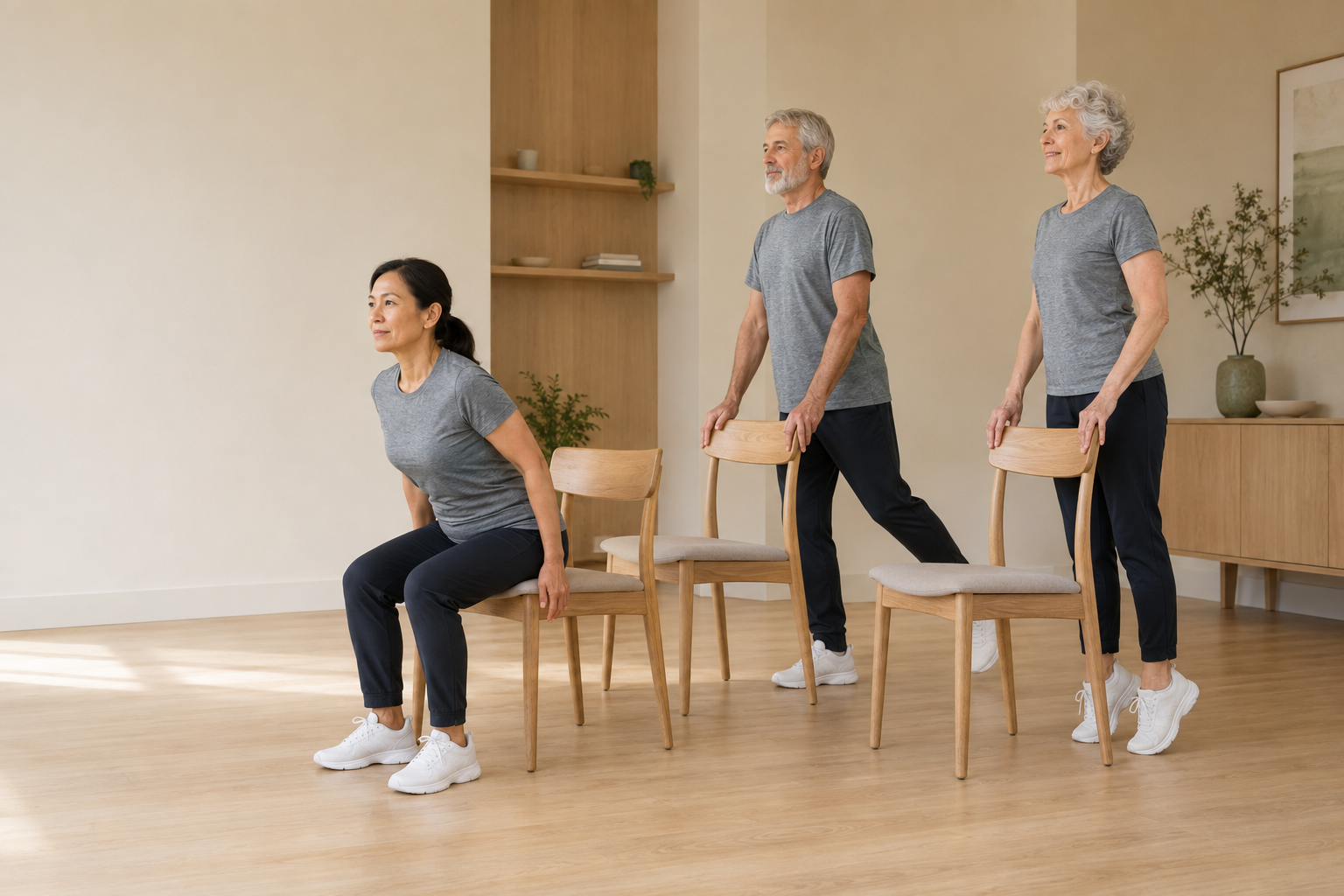
Practical strength, balance and mobility guidance designed to support confident everyday movement and long-term independence. Start where you are and build movement that carries into life.

Leg Strength Balance Mobility Everyday Strength
Explore Strength for Life
STRENGTH FOR LIFE Active adults practising strength, balance and mobility for everyday movement

ARVENTO RIDE BETTER COMMUNITY

Share Your Expertise

We invite qualified fitness instructors and movement professionals to submit clear, responsible resources that can help people build strength, mobility, recovery habits, and better everyday movement.

ARVENTO Ride Better is opening a limited number of complimentary editorial feature spaces for qualified professionals who create responsible, practical fitness education.

Selected contributors may be featured through an official external link or, only with written permission, an approved embedded video.

This is an editorial feature. Placement does not represent employment, certification, sponsorship, medical advice, or a paid partnership.

01

Official External Link

Direct visitors to your official website, professional profile, channel, or original workout page.

02

Featured on Ride Better

Introduce useful expertise to people interested in strength, mobility, recovery, and movement quality.

03

Clear Attribution

Your name, credentials, source, and original-content ownership remain clearly identified.

🏃 Workout Nearby

Find nearby places to move, train, recover, or get bike support while traveling.

Ready. Choose a workout nearby option.