ARVENTO LIFE City Cycling Guide
New Orleans, Louisiana Cycling Guide
New Orleans brings together Creole architecture, jazz history, neighborhood food culture and the Mississippi River. Begin with the Lafitte Greenway or a quiet daylight cultural loop; treat the French Quarter as a slow shared environment and adjust every ride for heat, storms, flooding and major events.

Editorial Overview
A flat city where every block carries a story.
New Orleans is inviting by bicycle, but it is not one continuous protected sightseeing circuit. Its strongest first-visit experience combines the Lafitte Greenway with carefully timed neighborhood streets. Slow down for crowds, rough pavement, streetcar tracks, opening car doors and intersections.
Why Go
Ride for the French Quarter, Tremé, Marigny, City Park, Bayou St. John, live music, Creole architecture and the Mississippi River.
Ride Identity
Mostly flat terrain with a mix of shared paths, bicycle facilities and ordinary streets. Cultural stops matter more than speed.
Ride Responsibly
Yield to walkers, avoid headphones, cross streetcar tracks close to a right angle, lock securely and never ride through floodwater.
Cycling Quick Facts
New Orleans cycling quick facts.
Choose routes by traffic exposure, surface condition, heat, storm risk and crowd levels.
A 2.6-mile pedestrian and bicycle corridor linking Tremé and Mid-City.
The city is generally flat; wind, heat and road quality often matter more than elevation.
Ride slowly in quiet periods and walk when crowds, events or street activity make cycling inappropriate.
Blue Bikes provides app-based shared e-bikes; verify the current service area and charges before unlocking.
A city, hybrid or gravel bicycle with wider tyres suits mixed pavement and greenway riding.
Heat, lightning, tropical weather, street flooding, potholes, tracks, doors, theft and event closures.
Route Guide
Three ways to ride New Orleans.
These are route concepts, not turn-by-turn navigation. Check NOLA Ready, Streetwise, weather, road closures and RTA alerts before departure.
Lafitte Greenway
Ride the 2.6-mile shared corridor between the edge of the French Quarter, Tremé and Mid-City, with an optional connection toward Bayou St. John and City Park. Slow at every street crossing.
Check Lafitte GreenwayFrench Quarter to Marigny
Use a quiet daylight period for architecture, Jackson Square, Frenchmen Street and neighborhood culture. Walk during dense crowds and avoid festival or late-night peak periods.
Open official itineraryMississippi River and Audubon
Build an out-and-back using suitable riverfront and Uptown links toward Audubon Park. Conditions vary by segment; confirm a current map and do not assume every connection is protected.
Explore biking optionsOfficial Highlights and Sources
Plan with current New Orleans information.
Use first-party and official destination sources for route context, transit, alerts and visitor planning.

- Official New Orleans bicycle itinerary
- RTA how to ride and bicycle connections
- Blue Bikes New Orleans
- NOLA Ready alerts
- NOLA Ready flood safety
- Bike Easy is a nonprofit in New Orleans dedicated to making bicycling safe, easy, and fun. Since 2003, it has organized community rides like the Bicycle Second Line, promoted events such as Bike to Work Day, and offered Learn to Ride classes. The group also advocates for safer streets through its Complete Streets initiatives.
Planning Answers
New Orleans cycling questions.
Direct answers for a first visit.
Is New Orleans suitable for beginners?
Yes on the Lafitte Greenway and carefully selected low-traffic routes. Mixed-traffic streets, streetcar tracks and damaged pavement require confidence.
What is the best first ride?
Choose a daylight Lafitte Greenway out-and-back, optionally continuing toward Bayou St. John or City Park after checking weather and crossings.
Can I cycle through the French Quarter?
It can be explored slowly during quiet periods, but it is a busy shared district rather than a protected cycling loop. Walk whenever crowd density or events make riding unsafe.
Should I ride after heavy rain?
Do not enter floodwater. Check NOLA Ready and Streetwise; water can hide potholes, debris, open drains and electrical hazards.
Arrival and Mobility
Combine airport, RTA and bicycle carefully.
Louis Armstrong New Orleans International Airport is the principal gateway. RTA buses, streetcars and ferries support car-free travel, but bicycle carriage, service alerts and crowding require a current check.
RTA and Bicycles
RTA identifies bike trails, bus bicycle carriage and Blue Bikes as ways to combine cycling with transit. Confirm vehicle capacity and instructions before boarding.
Airport and City
Review current airport transportation and RTA trip-planning information. A boxed bicycle may need a separate transfer; confirm directly with the operator.
Bike Rental
Choose bike share or a rental for the actual route.
Availability, service areas, prices and operating hours can change. Confirm everything directly before building a time-sensitive plan.
Use the official app or website to check live bicycles, current service boundaries, passes and overage rules.
A staffed shop may be a better choice for helmets, locks, longer rides, child equipment or mechanical support.
Confirm fit, brakes, tyres, lights, bell, lock, battery level, support and return conditions.
Cyclist-Friendly Stays
Verify secure indoor storage before booking.
ARVENTO does not rank New Orleans hotels. A central address does not prove that a bicycle may enter the room or use secure storage.
Ask whether bicycles may enter rooms or use staffed, locked indoor storage.
French Quarter and CBD suit landmarks; Mid-City supports Lafitte Greenway access; Uptown suits Audubon-area exploration.
Confirm elevators, laundry, tools, pump, e-bike charging, storm procedures and luggage storage.
For cyclist-friendly accommodation
Properties may contact ARVENTO for editorial review.


Rider's Oasis
A practical pause at City Park.
City Park offers shade, open space and a natural destination after the Lafitte Greenway and Bayou St. John area.
Station 01
City Park Rider Base
Area: New Orleans City Park and Bayou St. John.
Cyclist value: A recognizable orientation point with shade and nearby cultural attractions; verify water, restrooms and operating hours on the day.
Navigation: Open map search
 We offer local restaurants the opportunity to publish their information on our website for free. To ensure quality, some basic details will be required for review. Space is limited, so we welcome inquiries from interested businesses.
Best Seasons to Ride
Plan around heat, rain and tropical weather.
Check heat index, lightning, rainfall, street flooding, wind and official alerts before every ride.
- Spring: Comfortable riding windows, but festivals, storms and sudden rain can change access.
- Summer: Ride early only when conditions are safe; extreme heat, humidity, lightning and tropical systems are serious hazards.
- Autumn: Temperatures improve, but hurricane season continues through November and alerts remain essential.
- Winter: Often the most comfortable season, with cold fronts, rain and event crowds still possible.
Local Cycling and Culture
Jazz, Creole identity and the Mississippi River.
New Orleans should be understood through its Indigenous, African, Caribbean, French, Spanish and American histories—not as a single postcard image.
- Indigenous Homelands: Responsible storytelling recognizes the Indigenous peoples connected to the Mississippi River delta before European colonization.
- Jazz: Black musical innovation, Congo Square, Tremé and neighborhood traditions shaped a global art form.
- Creole Architecture: Courtyards, balconies, shotgun houses and raised homes reflect climate, craft and layered history.
- Mardi Gras: Parades, Black masking traditions, social aid and pleasure clubs, and neighborhood culture extend far beyond Bourbon Street.
- Foodways: Creole and Cajun are related but distinct traditions; gumbo, po'boys, red beans and rice, beignets and seafood carry community stories.
-
Louisiana’s State Flower
The Southern magnolia (Magnolia grandiflora) is the official state flower of Louisiana. Known for its large, fragrant white blossoms and glossy evergreen leaves, it thrives in the warm Southern climate. Its enduring beauty reflects dignity, perseverance, hospitality, and the timeless character of Louisiana.

Local Safety
Emergency help in New Orleans.
Share the nearest address, intersection, trail crossing, bridge, landmark or live map position.
Call 911 for immediate police, fire, rescue or medical assistance.
Dial 311 for non-emergency city services, including localized flooding or blocked drainage reports.
Call or text 988. Call 911 for immediate danger.
Text NOLAREADY to 77295 and review NOLA Ready.
Open ARVENTO Travel Tools.
ARVENTO Film
New Orleans: rhythm, memory and the river.
This ARVENTO film connects cycling with New Orleans architecture, music, neighborhoods and Louisiana identity. It is a city portrait rather than a live route guide.
Film notes
Use current official route, transport, weather and emergency sources for practical decisions.
Architecture and neighborhood streets establish the city's visual rhythm.
Music and cultural memory reveal New Orleans beyond tourism.
The Mississippi River carries the journey into Louisiana's wider story.
Independent guide and route notice
ARVENTO LIFE is an independent cycling and travel information platform. Verify routes, closures, transit, rentals, weather and services with official sources.
See the ARVENTO Terms of Service.
ARVENTO Shop
Designed for riders who explore beyond borders.
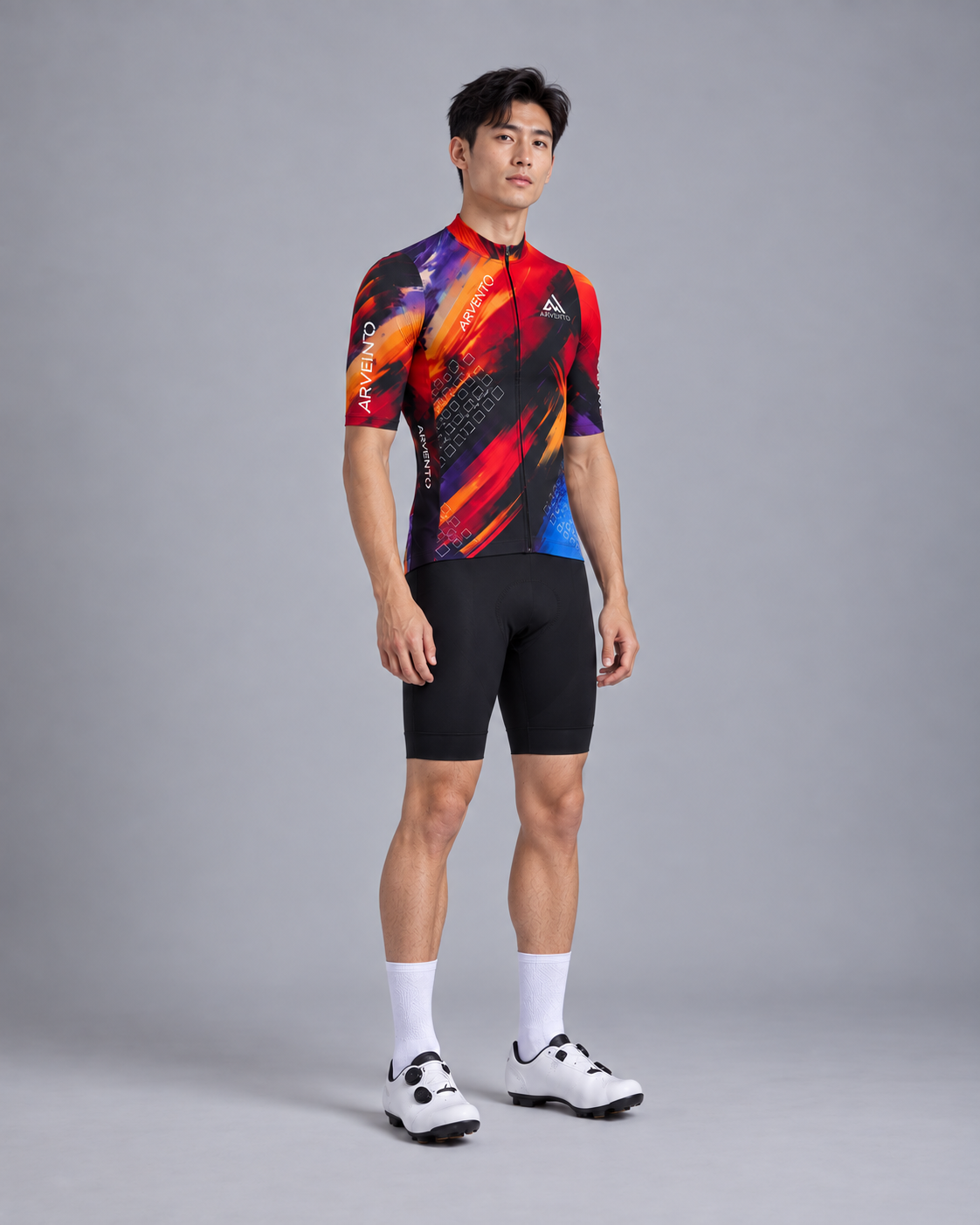
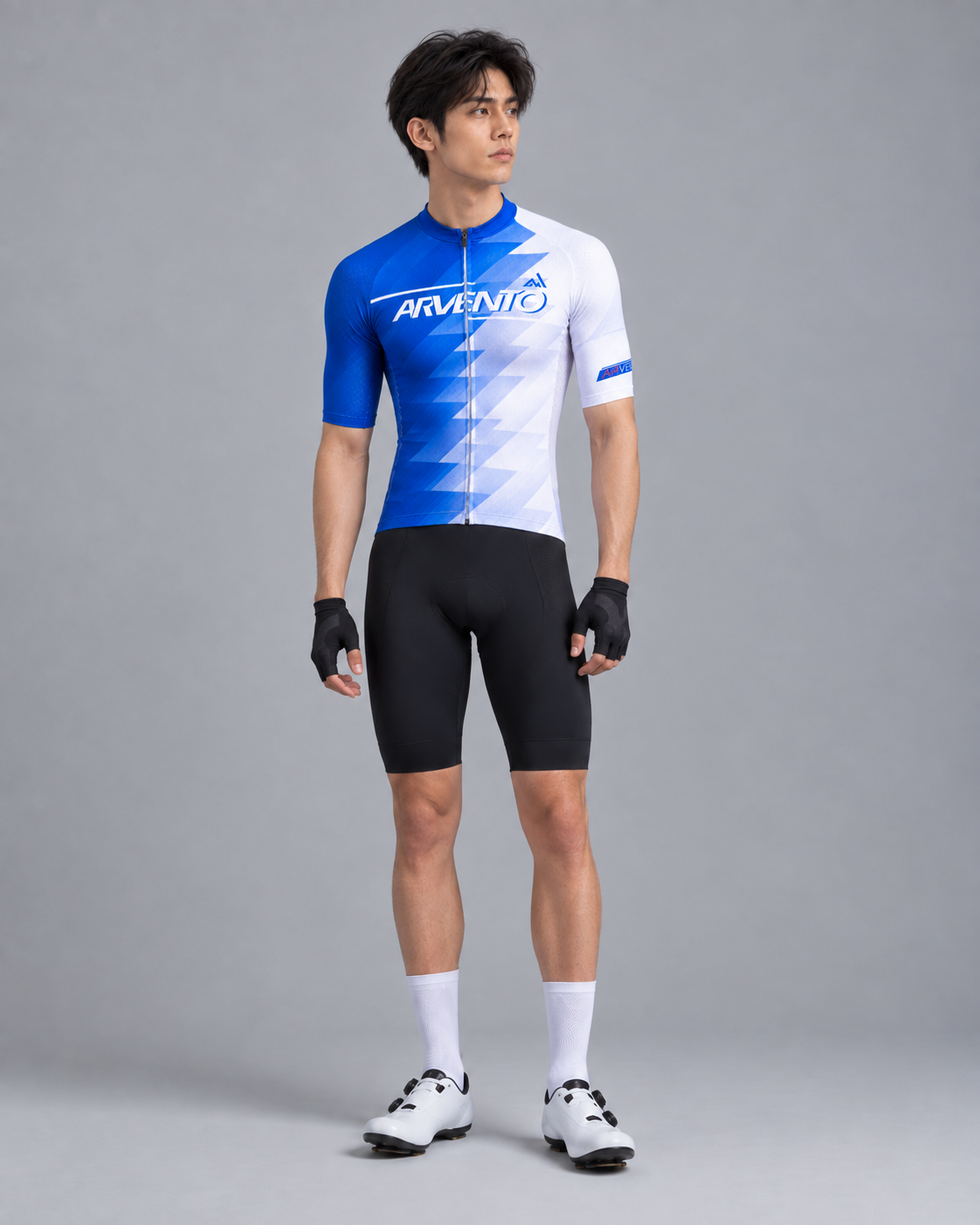
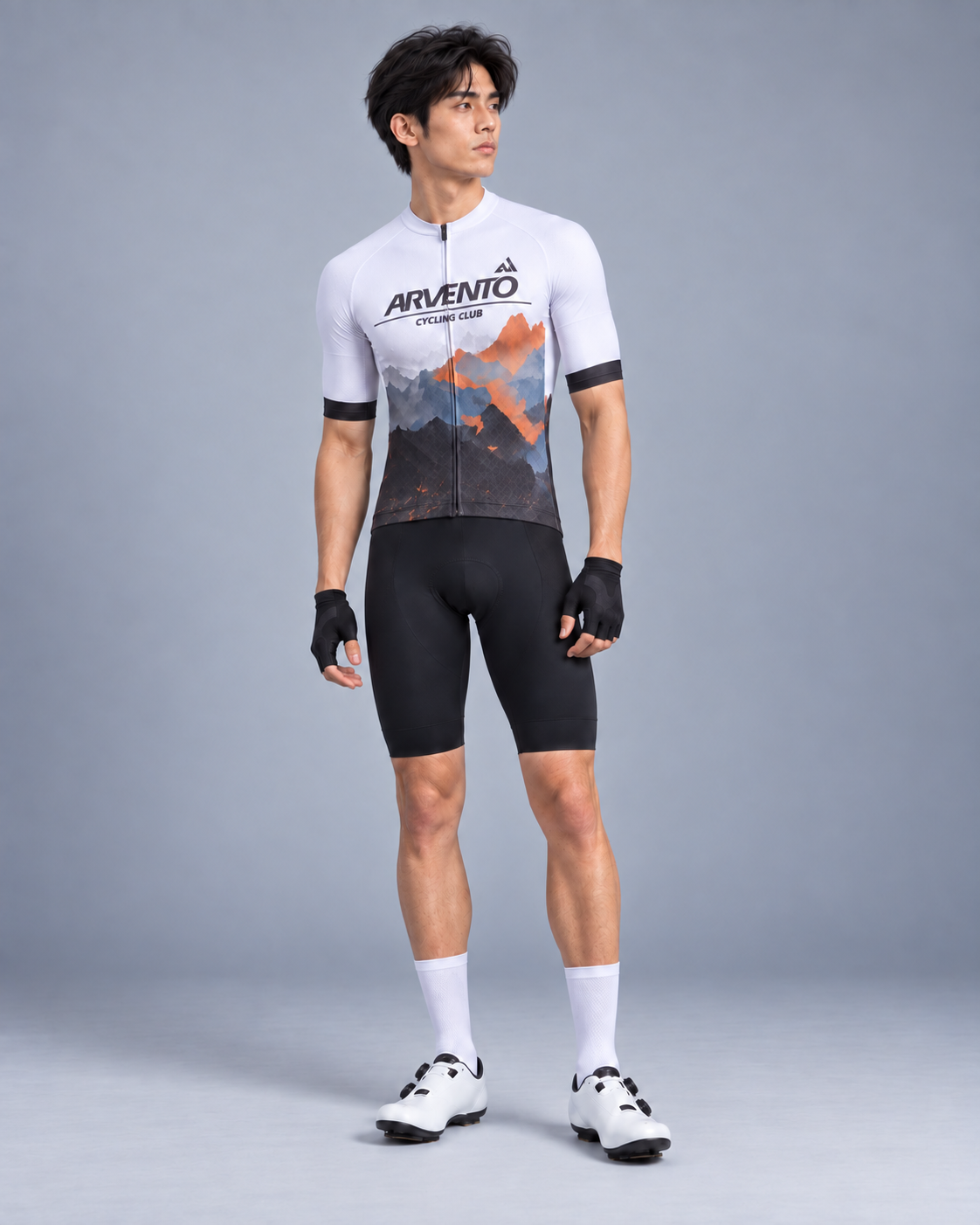
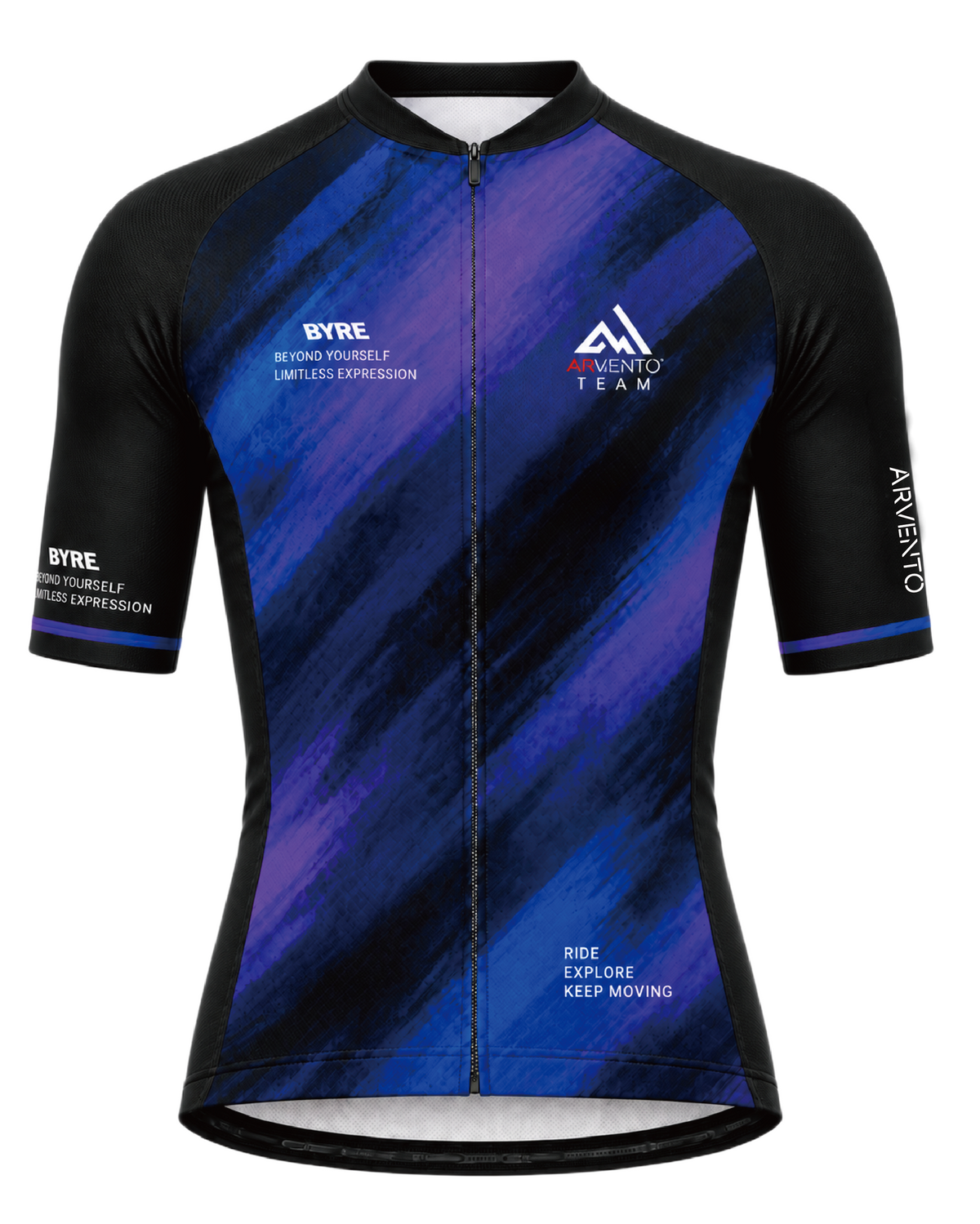
Discover ARVENTO cycling apparel created for city rides, long routes and global cycling life.