ARVENTO Life · Fukuoka · Japan
Fukuoka by Bicycle: Woven Lines, Morning Streets and a Story Passed Forward
Fukuoka feels close at hand: airport, station, market, shrine, park and waterfront sit inside a compact urban rhythm. The bicycle reveals a more careful pattern—one woven from carriageways, park paths, pedestrian-first heritage spaces and coastal transitions that must be read one line at a time.

How to use this guide
- Official and first-party sources are linked where practical.
- Routes are concepts, not turn-by-turn navigation.
- Traffic, construction, weather, events and bicycle access must be rechecked.
- Organizations are editorial references, not automatic ARVENTO partners.
The Fukuoka Proposition
A compact city where woven lines become daily movement.
Fukuoka’s celebrated compactness makes arrival unusually direct, but short distances do not equal one continuous protected bicycle network. The useful ride is a sequence: the calm division of Ohori Park, central carriageways, dense Hakata heritage streets and the open edge of Hakata Bay.
The Promise
Airport-to-center access is fast, major districts are close, and a rider can connect water, castle landscape, food culture, craft and shrine history without treating the city as a long-distance expedition.
The Tension
Compact streets intensify turning vehicles, curb activity, pedestrians and event pressure. A painted line, broad sidewalk or waterfront view does not automatically establish legal bicycle priority.
The ARVENTO View
Hakata-ori turns many taut threads into one durable form. Fukuoka cycling asks for the same attention: read every line, respect every crossing and let an ordinary morning carry memory forward.
Quick Facts
Understand compactness, left-side riding and bicycle parking first.
Use these facts for orientation, then confirm current road conditions, municipal rules, event controls and service information on the day.
Official tourism information gives approximate subway times of 5 minutes to Hakata and 11 minutes to Tenjin from Fukuoka Airport.
Bicycles are vehicles. Fukuoka City instructs riders to use the left side of the carriageway and follow the direction assigned to bicycle space.
Ohori Park’s loop is divided into separate areas for bicycles, joggers and pedestrians; riders must stay in the appropriate part and control speed.
The official visitor guide reported 4,200+ bicycles at 690+ locations for ChariChari when reviewed; verify the live app before relying on it.
Fukuoka City warns that bicycles left outside designated parking can be removed. Confirm signs, time limits and payment at the actual facility.
Call 119 for fire or ambulance, 110 for police or a traffic crash, and #7119 for urgent medical consultation when appropriate.
Three Fukuoka Ride Decisions
Begin with a park rhythm, enter Hakata carefully, then choose the coast.
These are editorial planning concepts. Confirm the exact streets, legal access, path rules, crossings, bicycle parking, weather and return before departure.
Ohori Park and Maizuru Park
Start at a quiet time and use the bicycle-designated portion of Ohori Park’s divided loop. Continue only after checking the crossings and current access around Maizuru Park and the Fukuoka Castle ruins.
Decision: this is a shared civic landscape, not a race circuit. Reduce speed near entrances, children, maintenance activity and every mixed-use transition.
Review the official Ohori guideTenjin, Nakasu and Hakata Old Town
Link the central districts toward Kushida Shrine and Hakata Sennen-no Mon, using legal carriageway positioning and designated bicycle parking. Walk in shrine approaches, busy shopping streets and dense pedestrian areas.
Decision: heritage access is more important than riding every meter. During Hakata Gion Yamakasa or another major event, follow the official crowd and traffic controls instead.
Explore the official Old Town planOhori Park to Seaside Momochi
Extend from the park area toward Fukuoka Tower and Seaside Momochi only after confirming the current street connections, crossings, beach-park instructions and a legal return. Dome events can transform local traffic and crowds.
Decision: coastal headwind, heat, rain and evening darkness can turn a modest distance into the harder half of the ride. Set the turnaround before reaching the beach.
Check Seaside MomochiWoven-City Ride Logic
Every change of thread changes the riding decision.
Fukuoka works best when a rider treats the network as connected conditions rather than one uninterrupted facility.
Use the designated bicycle zone, keep speed social and expect crossings, children and people entering the loop unpredictably.
Ride on the left, obey signals and watch turning vehicles, taxis, buses, deliveries, drainage covers and door zones.
Find legal parking before the shrine, market or old-town lane; walking preserves access where riding would burden pedestrians.
Temporary barriers, parade routes and crowd controls override an ordinary route. Do not force a bicycle through a festival audience.
Reassess wind, heat, surface, waterfront rules, event traffic and the return clock before continuing along the coast.
Landscape and City Highlights
Water, craft and history give the compact city its depth.
Use each landmark to understand one layer of Fukuoka rather than forcing every place into a single fast loop.
Ohori and castle landscape
Ohori Park establishes a calm water-centered rhythm; adjoining Maizuru Park and the Fukuoka Castle ruins place that movement inside the former castle grounds.
Hakata Old Town
Kushida Shrine anchors Hakata’s festival memory. Hakata Sennen-no Mon welcomes visitors into the temple district with carving informed by Hakata-ori pattern.
Fukuoka Tower and the bay
The 234-meter tower and Seaside Momochi create an open marine horizon, but beach access, crowds and local event traffic still require current checks.
Questions Fukuoka Actually Raises
Planning answers for a compact but changing network.
The useful questions concern facility transitions, pedestrian priority, bicycle availability and what to verify before leaving the park or central grid.
What is the easiest first bicycle ride in Fukuoka City?
Begin with a quiet-time orientation around Ohori Park and Maizuru Park. Use the bicycle-designated part of Ohori Park’s divided path, slow at every crossing and verify current notices before extending.
Is central Fukuoka one continuous protected cycling network?
No. The city is compact, but a ride can change between carriageway, marked bicycle space, park path, waterfront edge and pedestrian-heavy heritage area. Each transition requires a fresh legal and safety check.
Can I ride through Kushida Shrine and crowded Hakata festival streets?
Do not assume that riding is appropriate. Park legally or dismount in shrine approaches, shopping streets, markets and dense event areas, and follow staff, police, signs and temporary controls.
Can I rely on ChariChari for every Fukuoka ride?
No. The official visitor guide reported 4,200+ bicycles at 690+ locations when reviewed, but availability, port capacity, pricing, service area and registration are real-time conditions that must be checked in the app.
How quickly can I reach central Fukuoka from the airport?
Official tourism information gives approximately 5 minutes by subway to Hakata and 11 minutes to Tenjin. A boxed personal bicycle still requires operator, luggage and crowding checks.
Is this page turn-by-turn navigation?
No. It is an editorial planning guide. Verify traffic rules, construction, event controls, weather, bicycle parking and facility hours immediately before riding.
Arriving and Returning
The airport is close; bicycle transfer still needs a plan.
Fukuoka’s exceptional airport access reduces transfer time but does not remove airline, subway, rail or bus rules for a personal bicycle and its case.
Fukuoka Airport
Official tourism information states that the subway reaches Hakata in about 5 minutes and Tenjin in about 11 minutes. Confirm terminal transfer, bicycle-case dimensions, elevators and peak crowding.
Check official city accessRail and subway
Do not assume an assembled bicycle can board. Confirm the exact operator’s current bagging, size and timing conditions; avoid forcing a large case into a crowded vehicle.
Bus, taxi or vehicle
Reserve sufficient luggage capacity for a bicycle case and describe its dimensions before travel. Keep a legal road return that does not depend on last-minute vehicle space.
Bicycle Access
Use share cycling for flexible city movement, not as a guaranteed touring system.
Inventory, registration, service area, price, port capacity and assistance conditions can change. Confirm every item directly before building a route around it.
ChariChari
The official visitor guide reported 4,200+ bicycles at 690+ locations, with service available around the clock. Most ports are concentrated around Hakata and Tenjin, but only the live app can show current availability.
Check ChariChariFit and ride purpose
A share bicycle may suit a short urban transfer but not rider-specific fit, high mileage, luggage or coastal exposure. Check saddle adjustment, brakes, lights and battery before departure.
Road or touring bicycle
For longer distances, use a specialist provider and confirm frame size, pedal standard, helmet, lights, lock, repair support, cancellation terms and return deadline.
Stay Near the Ride You Can Verify
Choose storage, transfer and legal first kilometers before style.
ARVENTO does not rank Fukuoka hotels. Confirm bicycle storage in writing and inspect the actual route from the property to a suitable road or park facility.
Hakata Station area
Efficient for airport and rail arrival, but station crowds, large intersections, taxi movement and bicycle parking rules make case handling and the first kilometers important.
Tenjin or Ohori area
Useful for central culture or a park-led start, while retail crowds, event days and busy junctions can change the best entrance and departure time.
Questions that matter
May a clean bicycle enter the room? Is storage locked? Are there stairs, floor protection, laundry, early breakfast, tools, charging and bicycle-case holding?
For cyclist-friendly accommodation
Properties may contact ARVENTO for independent editorial review.
Submission does not guarantee publication or endorsement.


Build a Fukuoka Rider Base
Prepare for heat, rain, wind and a crowded return.
A good base lets the rider shorten the route, park legally, refill water, dry clothing, charge devices and return without depending on one share-bike port.
Save the hotel, station exit, legal parking or alternate share port before departure.
Read heat index, humidity, rain, thunder, wind and daylight together.
Use designated bicycle parking and record its closing time or removal rules.
Keep time, battery and alternate ports for a full or empty station.
Carry inflation, tube or plugs, levers and a multi-tool for a personal bicycle.
Use front and rear lights in rain, shade, evening streets and underpasses.
Use ARVENTO Travel Tools
Save a return point, locate nearby help and share your position when appropriate.
Open Travel ToolsA Humid Coastal City
The same short route changes with heat, rain, festivals and wind.
Check current temperature, humidity, heat alerts, rainfall, thunder, wind, daylight and official event notices immediately before departure.
- Spring: Mild days can favor park and city riding, while pollen, rain, strong wind and festival crowds still require a flexible start time.
- Rainy season and summer: Humidity, intense heat, sudden downpours, lightning and typhoon influence can narrow the safe window. Carry water and choose substantial shelter early.
- Autumn: Cooler conditions can improve comfort, but typhoon remnants, festival crowds, wet leaves and earlier darkness still affect surface and return decisions.
- Winter: The climate is generally milder than northern Japan, yet cold rain, wind chill, short daylight and occasional snow or ice remain reasons to shorten or cancel.
The Woven City
Hakata-ori gives Fukuoka a language of strength, pattern and continuity.
Official visitor material traces Hakata-ori to 1241. Its dense warp threads create a firm, durable textile—an apt cultural metaphor for streets, relationships and memory, but never a substitute for learning the craft from its makers and institutions.
- Hakata-ori: A long-established textile tradition recognized for taut structure, distinctive pattern and use in obi, ties, bags and contemporary objects.
- Hakata Traditional Craft and Design Museum: Displays Hakata-ori and other local crafts; it relocated to Hakata Ekimae 1-chome in May 2025, so verify the current entrance and hours.
- Kushida Shrine: Hakata’s tutelary shrine and a central place in the living tradition of Hakata Gion Yamakasa.
- Hakata Sennen-no Mon: A gateway to the temple district completed in 2014, designed to honor Hakata’s past and welcome the next millennium.
- Yanagibashi Rengo Market: Known as the pantry of Hakata, with roots in 1916; park legally, walk inside and check each shop’s current hours.
Local Culture and Events
Festival time can completely rewrite the central bicycle route.
Dates, venues, processions, crowd limits, road controls and bicycle parking change. Organizer and police information govern event-day movement.
Hakata Gion Yamakasa
Held annually from 1–15 July, the festival culminates in the Oiyama run on 15 July. Official guidance warns against bringing bicycles into crowded areas; park outside the festival flow.
Check Yamakasa guidanceHakata Dontaku Port Festival
Traditionally held on 3–4 May, Dontaku fills major central streets with parades and performances. Verify the annual program, traffic controls and bicycle parking before travel.
Check Hakata DontakuHojoya
Hakozaki Shrine’s autumn festival is traditionally held from 12–18 September. The long approach becomes a dense pedestrian and vendor environment where riding is inappropriate.
Check HojoyaHakata-ori exhibitions and craft programs
Exhibition dates and workshops change across the museum and craft community. Check the current program and treat the bicycle as transport to legal parking, not as access inside the venue.
Check Hakata craft programs
Fukuoka City’s Winter Flower
The Sasanqua Camellia (Camellia sasanqua) is one of the official flowers of Fukuoka City, representing the winter season. Recognized by its delicate pink or white blossoms, golden stamens, and glossy evergreen leaves, it brings color to the landscape from late autumn through winter. Unlike the common camellia, its petals fall individually rather than dropping as a whole flower.
Blooming gracefully during the colder months, the Sasanqua Camellia symbolizes resilience, quiet strength, humility, and enduring beauty—reflecting Fukuoka’s ability to remain warm and vibrant throughout the changing seasons.
Cycling Community and Public Resources
Use local organizations for context, not implied endorsement.
These are independent editorial references. They have different roles and are not presented as ARVENTO partners, tour operators or interchangeable visitor services.
VC Fukuoka
A Fukuoka-rooted professional cycling team with racing, community and youth activity. Check its current event calendar and participation terms rather than assuming an open visitor ride.
Visit VC FukuokaAudax Randonneurs Fukuoka
The regional Audax organization publishes brevet information for experienced self-supported long-distance riders. Entry rules, navigation, insurance and time limits require direct review.
Visit Audax Randonneurs FukuokaFukuoka City Bicycle Section
The municipal reference for bicycle plans, rules, road-use guidance and parking information. It is the practical starting point for understanding the public network.
Open the city bicycle portalSafety and Emergency
Give responders a precise street, bridge, park entrance or waterfront location.
Share the nearest named road, intersection, station exit, bridge, park gate, landmark or live coordinates. A district name alone may be too broad.
Call 119. Fukuoka City states that multilingual interpretation is available for 119 calls around the clock.
Call 110 for police, crime or a traffic incident.
Call #7119 or 092-471-0099 for the city’s 24-hour emergency medical advice line when appropriate.
Heat or thunder
Move to a cool or substantial indoor place. Call emergency services for confusion, fainting, seizure, severe breathing difficulty or rapidly worsening symptoms.
Typhoon, flood or coastal exposure
Follow official alerts, leave waterfront and low areas early, and never cross barriers, moving water or a flooded underpass.
ARVENTO Film
Fukuoka: a morning line passed from father to son.
The film uses the structure of Hakata-ori and the calm of an early ride to ask what travel leaves behind: not only places seen, but the person each place teaches us to remember.
Hakata-ori threads become road lines, joining craft, city movement and a relationship formed through repetition.
Park water, Nakasu light, the tower and old Hakata appear as quiet witnesses rather than a checklist of attractions.
A blessing, a remembered gesture and an unspoken meeting turn the ride into inheritance—the kind carried through ordinary mornings.
Use This Guide Responsibly
Editorial guidance does not replace current local information.
Conditions change after publication. The rider remains responsible for route choice, equipment, fitness and compliance with Japanese law and local instructions.
- Verify traffic rules, construction, weather, heat alerts, event controls, bicycle parking, park access and transport conditions immediately before travel.
- Ride on the legal side, obey signals, control speed and respect pedestrians, shrine grounds, barriers, private property and temporary instructions.
- Distances and route concepts are approximate and are not turn-by-turn navigation.
- Organizations, events and businesses are not ARVENTO partners unless a formal relationship is explicitly disclosed.
- Names and marks belong to their respective owners.
Wear the Story
Carry the woven line beyond the film.
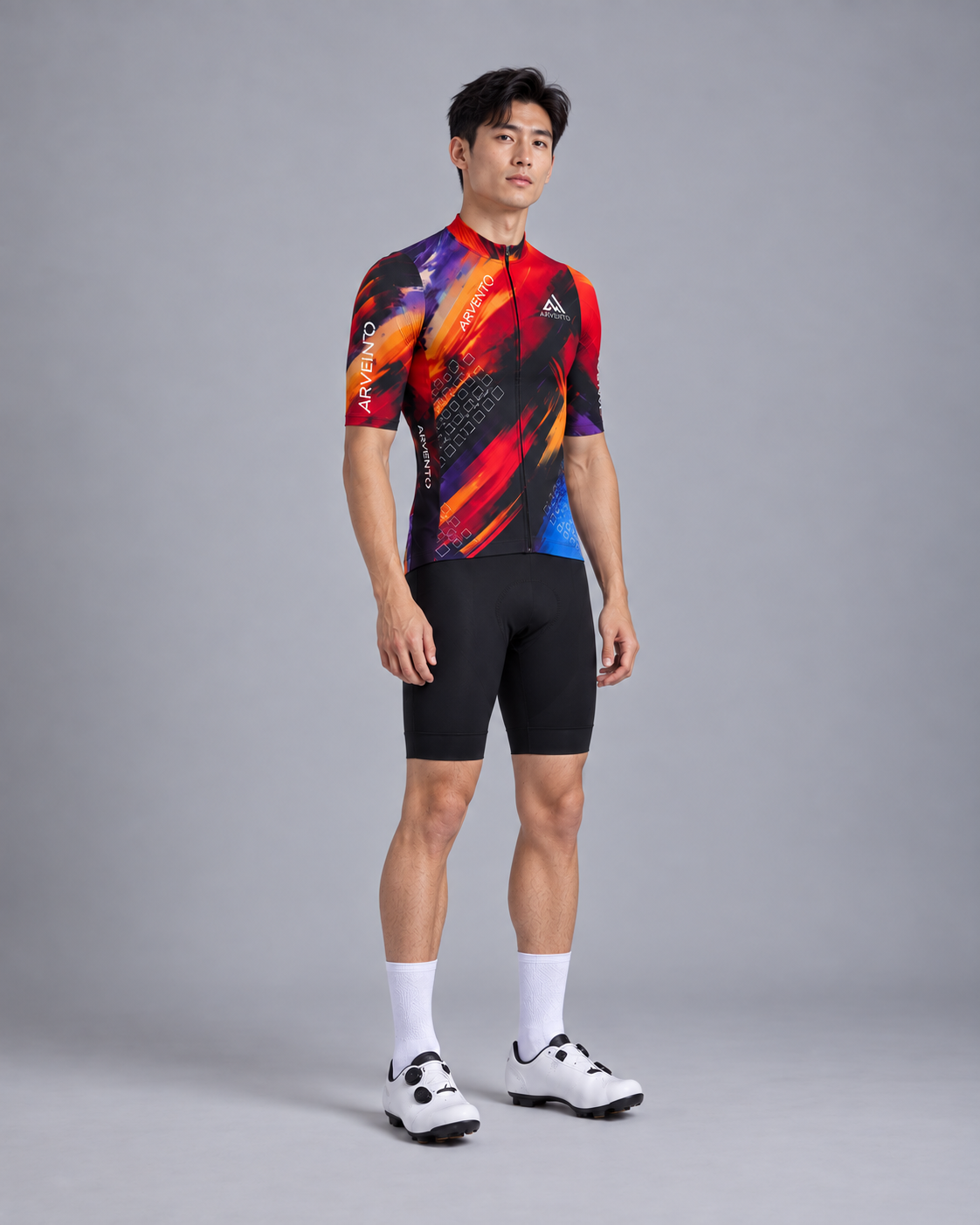
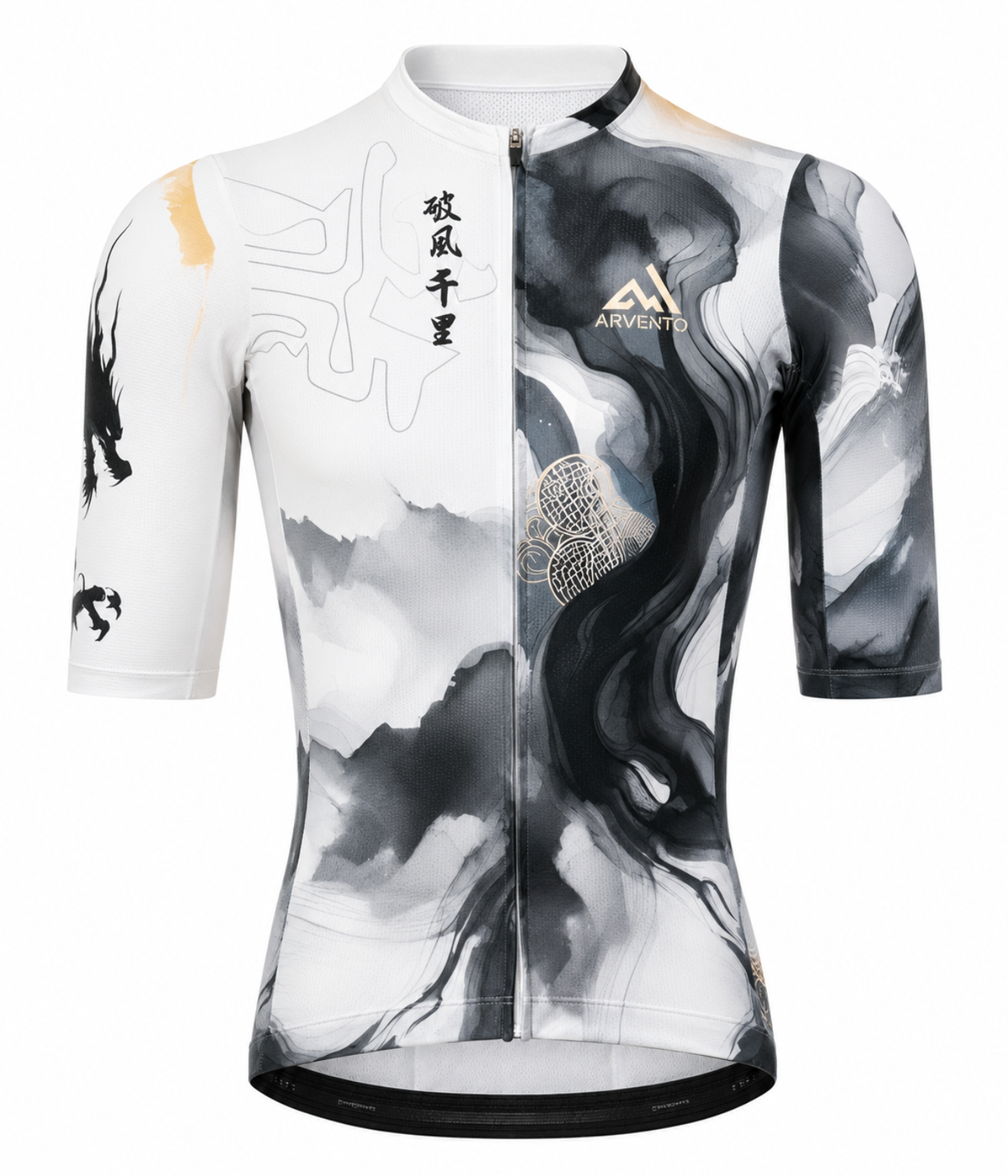
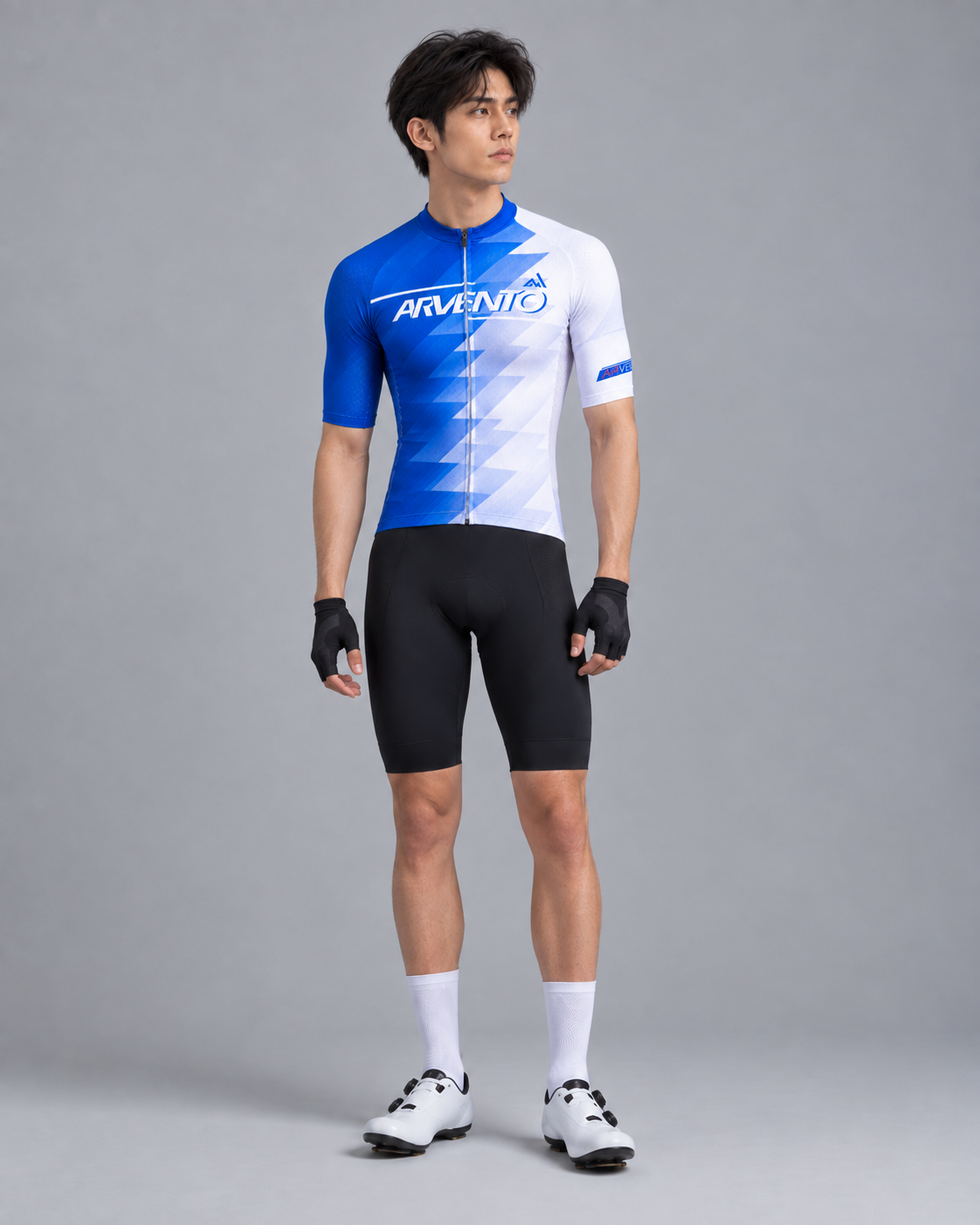
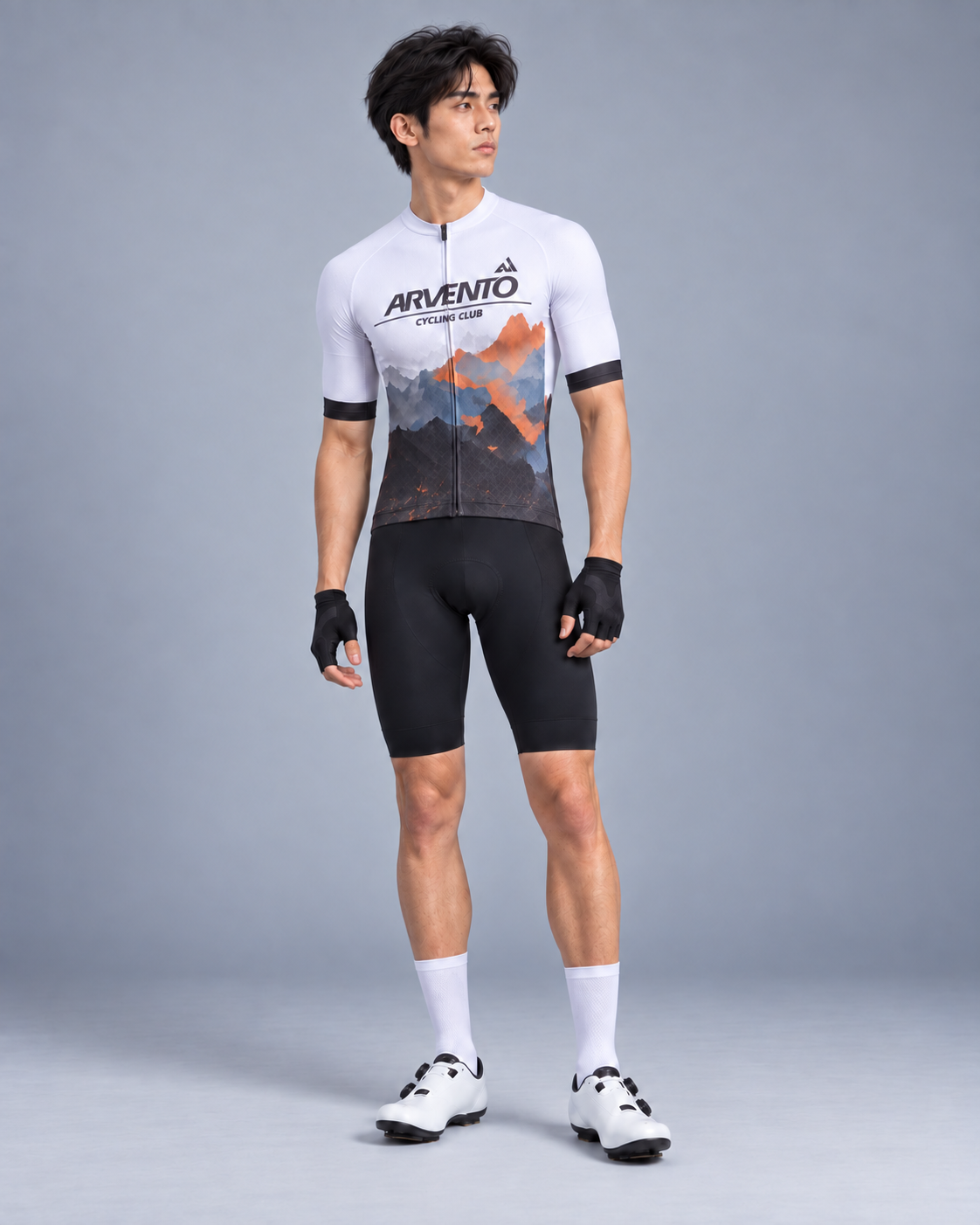
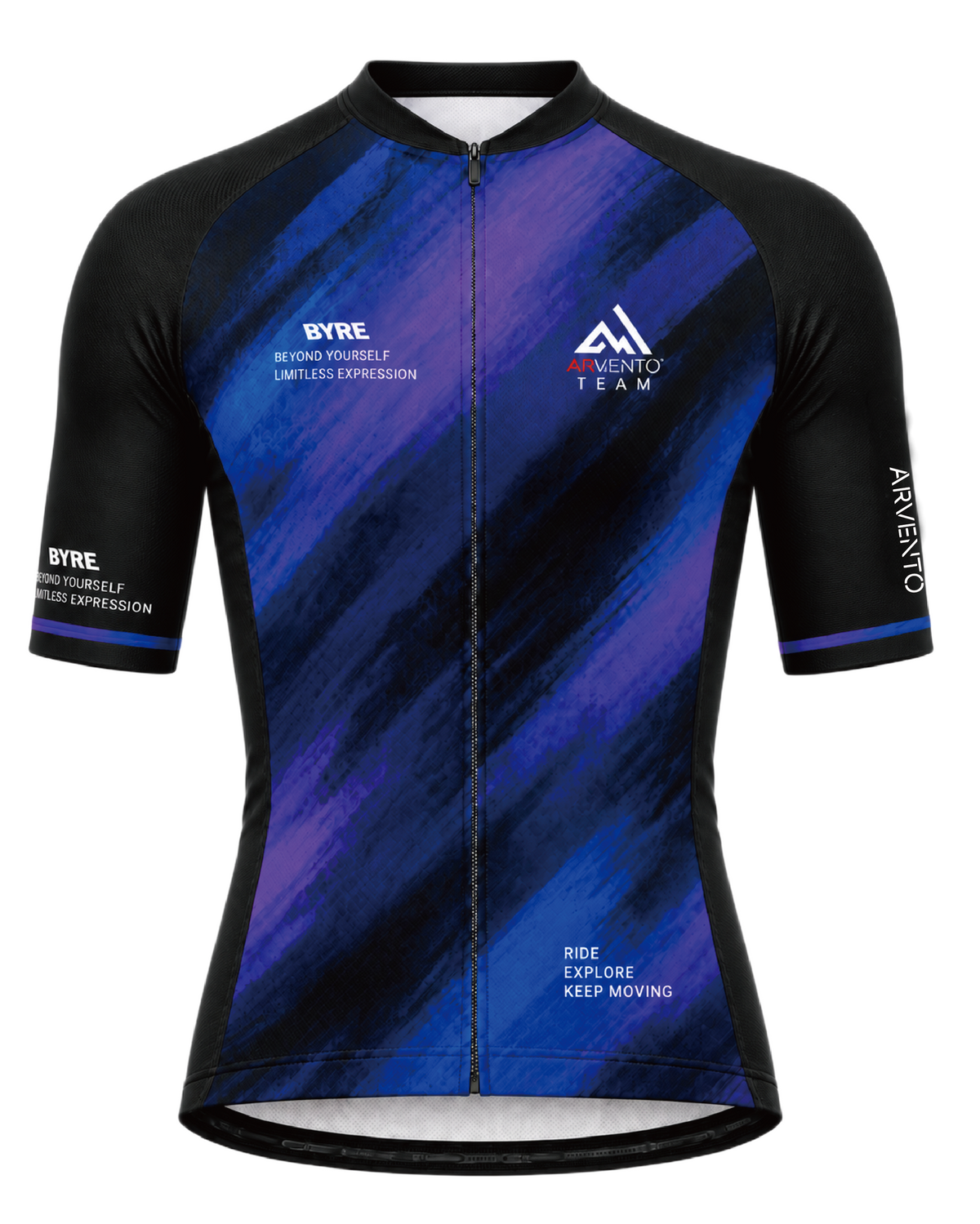
ARVENTO connects cycling apparel with places, cultures and stories. This Fukuoka chapter is inspired by Hakata-ori structure, morning water, city lines and a bond carried from one generation to the next.
Ride the world. Wear the story.
ARVENTO cycling apparel is available through the brand’s current sales channels. Availability, sizing, price, shipping and tax vary by market.