ARVENTO Life · Genoa · Italy
Genoa by Bicycle: Sea Lines, Designed Futures and the Instinct to Explore
Genoa is a vertical Mediterranean city compressed between the Ligurian Sea and steep hills. Its identity is written in ports, palaces, caruggi, shipyards, coastal villages and roads that climb almost immediately away from the water. The bicycle reveals this tension clearly: move gently through the historic core, follow the sea toward Boccadasse, and decide carefully when the route turns upward toward the city's forts and mountain edges.
How to use this guide
- Official and first-party sources are linked where practical.
- Routes are concepts, not turn-by-turn navigation.
- Traffic, construction, weather, events and bicycle access must be rechecked.
- Organizations are editorial references, not automatic ARVENTO partners.
The Genoa Proposition
A city where every direction asks a different question.
Genoa does not spread evenly across a plain. The city is squeezed between sea and mountains, so cycling changes quickly from waterfront movement to dense historic streets, rail corridors, steep climbs and hillside roads. The most useful first experience is not to conquer everything in one loop, but to understand the layers: port, old city, coastal promenade, fishing village and then—only if the rider is prepared—the vertical landscape above them.
The Promise
Genoa lets a rider connect one of Europe's great historic port cities with a Mediterranean coastline, UNESCO palaces, fishing villages, maritime culture and demanding hillside terrain within a surprisingly compact metropolitan strip.
The Tension
Flat riding is concentrated near the sea and selected urban corridors. Narrow caruggi, traffic-dense streets, steep gradients, tunnels, scooters, buses and abrupt elevation changes mean that a short distance on the map may not be an easy ride.
The ARVENTO View
Genoa has spent centuries looking outward. Sailors once studied wind and horizon; modern designers draw vessels before they touch water; cyclists read the same city through gradients, corners and changing light. Exploration remains the common language.
Quick Facts
Understand the sea edge, the vertical city and the historic core first.
Use these facts for orientation, then confirm current road conditions, municipal rules, weather, event controls and transport policies immediately before riding.

Ride on the right side of the road and follow current Italian traffic law, signs and signals.
Genoa is compressed between sea and steep hills. A route that looks short can gain elevation quickly once it leaves the waterfront corridor.
VisitGenoa identifies a cycle route beginning at Boccadasse, following Corso Italia and continuing toward Piazza della Vittoria and Genova Brignole.
Genoa authorizes multiple operators for short-term conventional and electric bicycle sharing. Availability, service areas and pricing must be checked live.
The caruggi are culturally essential but often narrow and pedestrian-heavy. Dismount, walk and park legally rather than trying to ride every meter.
In Italy, 112 is the European emergency number. Give responders the nearest street, intersection, station, bridge, waterfront point or live coordinates.
Three Genoa Ride Decisions
Read the port, follow the coast, then decide whether to climb.
These are editorial planning concepts. Confirm exact streets, legal access, construction, bicycle parking, surface, gradient, weather and the return route before departure.
Brignole · Foce · Corso Italia · Boccadasse
Start near Genova Brignole and move toward the Foce before joining the coastal direction of Corso Italia. Continue to Boccadasse, where Genoa begins to feel like the Ligurian Riviera.
Decision: use the current marked cycling infrastructure where available, reduce speed at crossings and busy promenade zones, and park legally before entering the smallest lanes of Boccadasse.
Review Genoa's official cycle routesPorto Antico · Caruggi · San Lorenzo · Via Garibaldi
Use the bicycle as transport to the edge of Genoa's historic core, then treat the narrow old city as a place to slow down. Link Porto Antico with the Cathedral of San Lorenzo and the UNESCO Strade Nuove / Palazzi dei Rolli area through legal riding, parking and walking.
Decision: cultural access is more important than riding continuously. Dense alleys, stairs, crowds and protected historic spaces make walking the correct choice for many sections.
Explore Genoa's official historic highlightsHistoric Aqueduct or Genoa Hills
For riders ready to leave the flat sea edge, Genoa offers mountain-bike and mixed-surface itineraries in the hills, as well as surviving level sections of the historic aqueduct that can be explored on foot or by bicycle.
Decision: gradient, surface, isolation, heat, rain and return logistics matter more than distance. Use a suitable bicycle and verify the exact itinerary before departure.
Review official bike and trekking itinerariesSea-to-Hill Ride Logic
In Genoa, every change in elevation changes the riding decision.
The city works best when a cyclist treats it as a sequence of conditions rather than one continuous bicycle facility.
Expect tourists, service vehicles, crossings and large pedestrian flows near Porto Antico. Slow down and use the bicycle as access, not as priority.
Caruggi can be narrow, stepped or crowded. Find legal parking and walk where riding would burden pedestrians or conflict with local access rules.
Corso Italia and the eastern seafront provide the clearest recreational direction, but crossings, promenade activity, wind and event traffic still require attention.
Once the route turns uphill, reassess gearing, gradient, tunnels, traffic, surface, shade, water and the energy needed to return.
Ligurian rain can be intense, especially in autumn. Shorten or cancel when official weather alerts, thunder, flooding or unstable hillside conditions affect the route.
Landscape and City Highlights
Port, cathedral, fishing village and hills explain the city in four directions.
Use each landmark to understand one layer of Genoa rather than forcing every attraction into a single fast bicycle loop.
Porto Antico
Genoa's old port was redesigned by Renzo Piano for the 1992 Columbus quincentenary celebrations and today forms one of the city's principal visitor and waterfront areas.
Cattedrale di San Lorenzo
Genoa's most important church is defined by its black-and-white striped façade and historic position inside the old city. The present cathedral was built from around 1098 and expanded over time.
Boccadasse and the Riviera edge
Boccadasse remains one of Genoa's best-known historic fishing villages. Corso Italia, the city's seaside promenade, links the Foce area toward this colourful coastal settlement.
Questions Genoa Actually Raises
Planning answers for a beautiful but unusually vertical city.
The useful questions concern elevation, old-town access, coastal continuity, bicycle availability and what to verify before leaving the sea edge.
What is the easiest first bicycle ride in Genoa?
A practical first orientation is the eastern seafront direction linking Brignole and the Foce with Corso Italia and Boccadasse. Genoa's official tourism material identifies this corridor as part of the city's cycling network.
Is Genoa a flat coastal cycling city?
No. The sea edge can be relatively manageable, but Genoa rises steeply almost immediately inland. Route difficulty can change quickly once a rider leaves the waterfront.
Can I ride through Genoa's historic caruggi?
Do not assume continuous bicycle access is appropriate. The historic lanes can be narrow, steep, crowded or stepped. Park legally and walk where pedestrian priority or the physical character of the old city makes riding unsuitable.
Can I use bike sharing in Genoa?
Yes. Genoa's municipality currently lists multiple authorized operators providing conventional and electric shared bicycles. Availability, pricing, parking zones and service boundaries are real-time conditions that must be checked through the operator.
Where can experienced riders find more challenging terrain?
Genoa's hills, forts and outer districts offer mountain-bike and mixed-surface itineraries. VisitGenoa publishes several bike and trekking routes, including mountain routes beyond the urban core.
Is this page turn-by-turn navigation?
No. It is an editorial planning guide. Verify road law, construction, weather, public-space controls, gradients, parking and transport conditions immediately before riding.
Arriving and Returning
Rail, airport and public transport can help solve Genoa's vertical geography.
Genoa's long narrow shape makes intermodal planning useful. A bicycle ride does not always need to return over the same hills if rail or another verified transport option provides a legal alternative.
Genova Piazza Principe
Useful for the western side of the historic centre, Porto Antico and connections toward the main rail network. Confirm bicycle carriage rules with the actual train operator before travel.
Genova Brignole
A practical eastern-city base for the Foce, Corso Italia and the direction of Boccadasse. Station crowds, lifts and bicycle-case handling still require advance planning.
Genoa Cristoforo Colombo Airport
The airport sits west of the centre. Confirm airline bicycle rules, case dimensions, ground-transfer capacity and the route from the terminal before travelling with a personal bicycle.
Check Genoa visitor contactsBicycle Access
Use shared bicycles for flexible city movement; use a specialist bike for the hills.
Inventory, battery level, service area, parking zones, pricing and operator terms can change. Confirm every item directly before building a route around a shared or rented bicycle.
Municipal bike sharing
Genoa's municipality lists authorized bike-sharing operators supplying conventional and electric bicycles for short-term urban use. Use the live operator app for actual vehicle availability.
Check Genoa bike sharingFit and ride purpose
A shared bicycle may suit Corso Italia or a short city transfer but not a high-gradient climb, long-distance road ride or technical MTB itinerary. Check brakes, lights, tyres and battery before departure.
Road, gravel or MTB rental
For longer or hill-focused routes, use a specialist provider and confirm frame size, gearing, pedal standard, helmet, lights, lock, repair support, cancellation terms and return time.
Review Genoa activities and bike servicesStay Near the Ride You Can Verify
Choose bicycle storage, legal first kilometres and elevation before style.
ARVENTO does not rank Genoa hotels. Confirm bicycle storage in writing and inspect the route from the property to the first safe and legal riding corridor.
Historic centre / Porto Antico
Strong for culture and waterfront access, but old buildings, stairs, pedestrian streets and limited vehicle access can complicate a boxed bicycle or room storage.
Brignole / Foce
Useful for eastern coastal riding and access toward Corso Italia and Boccadasse, while still remaining connected to Genoa's principal rail network.
Questions that matter
May a clean bicycle enter the room? Is storage locked? Are there stairs or a lift? Is there floor protection, laundry, early breakfast, charging, tools and bicycle-case storage?
For cyclist-friendly accommodation
Properties may contact ARVENTO for independent editorial review.
Submission does not guarantee publication or endorsement.


Build a Genoa Rider Base
Save the sea-level return before you climb away from it.
A good Genoa base lets the rider shorten the route, refill water, park legally, avoid a forced climb, recover from rain and return without depending on one shared bicycle or one transport connection.
Save the hotel, station, legal bicycle parking or known sea-level landmark before departure.
Review elevation as carefully as distance. Genoa's shortest route is not always the easiest route.
Read rain, thunder, wind, temperature and official Ligurian weather alerts together.
Use legal bicycle parking before entering caruggi, museums, churches or crowded waterfront zones.
For a personal bicycle, carry inflation, tube or plugs, tyre levers and a multi-tool.
Use front and rear lights in tunnels, rain, evening streets, shaded valleys and low-visibility conditions.
Use ARVENTO Travel Tools
Save a return point, locate nearby help and share your position when appropriate.
Open Travel ToolsA Mediterranean Port Climate
The same coastline changes with summer heat, autumn rain and winter wind.
Genoa has a temperate Mediterranean climate, but official visitor information notes that rainfall is generally heaviest in October and November. Check current ARPAL forecasts and official alerts before departure.
- Spring: Often one of the most comfortable periods for coastal riding, Nervi, parks and moderate climbing. Rain and wind can still change the route quickly.
- Summer: Average daytime temperatures reach around 27 °C in August according to VisitGenoa's climate data. Start exposed rides early, carry water and avoid underestimating heat on long climbs.
- Autumn: Temperatures can remain pleasant, but October and November are typically Genoa's rainiest months. Monitor official weather alerts and avoid flood-prone or exposed routes during severe conditions.
- Winter: Genoa is milder than much of northern Italy, but wind, cold rain, short daylight and wet surfaces can make descents and coastal returns significantly harder.
The City Facing the Sea
Navigation, shipbuilding and the instinct to explore shape Genoa's identity.
Genoa's maritime history is not a decorative theme added to the city—it explains its port, merchant palaces, old streets and global connections. ARVENTO uses that history as a bridge to modern design: from charts and compasses to CAD drawings, from wooden ships to contemporary vessels.
- Christopher Columbus: VisitGenoa states that Cristoforo Colombo was born in Genoa in 1451. The city preserves a building known as Casa di Colombo near Porta Soprana, associated with the years his family lived there.
- Cattedrale di San Lorenzo: Genoa's principal cathedral stands at the centre of the historic city and is one of its most recognizable architectural symbols, with black-and-white stone bands and a monumental façade.
- Strade Nuove and Palazzi dei Rolli: The monumental palace system reflects Genoa's period of extraordinary financial and maritime influence and remains central to the city's UNESCO-recognized heritage.
- Porto Antico: The old port continues Genoa's relationship with the sea in a contemporary public setting redesigned by Genoese architect Renzo Piano.
- Pesto, basil and focaccia: Genoa's food identity is closely associated with local basil, pesto alla genovese and focaccia—practical cultural anchors for a rider's stop as much as culinary symbols.
Local Culture and Events
Major events can completely rewrite a Genoa bicycle route.
Dates, venues, closures, crowd limits and bicycle parking change. Organizer, municipal and police information govern event-day movement.
Rolli Days 2026
The October 2026 edition is scheduled for 16–18 October and marks twenty years since the Strade Nuove and Palazzi dei Rolli entered the UNESCO World Heritage List. Expect increased activity around historic streets and palaces.
Check Rolli DaysEuropean Mobility Week 2026
Genoa's 2026 program includes bike-sharing activities, a temporary Bike Café, public rides and cycling advocacy events. Temporary road and public-space changes may affect normal routes.
Check Mobility WeekFIAB Genova rides
FIAB Genova publishes urban rides, cycle excursions, MTB outings and recurring night rides. Eligibility, registration, route difficulty and equipment requirements must be checked for each event.
View FIAB Genova eventsNervi cultural season
Nervi combines villas, parks and a two-kilometre seaside promenade and also hosts major cultural events. When visiting by bicycle, confirm current promenade rules and park legally before walking the seafront.
Explore NerviRepresentative Mediterranean plant · Olive tree
The olive tree is one of the most recognizable plants of Liguria's Mediterranean landscape. Its evergreen foliage and long life make it a fitting symbol of endurance, continuity, peace and a culture shaped by dry stone terraces, sea light and steep coastal terrain.
Genoa's coastal identity
The city's most characteristic natural image is not one flower but the meeting of Mediterranean vegetation, cliffs, palms, historic gardens and the Ligurian Sea. Nervi expresses this combination especially clearly.
Cycling Community and Public Resources
Use local organizations for context, not implied endorsement.
These are independent editorial references. They have different roles and are not presented as ARVENTO partners, tour operators or interchangeable visitor services.
FIAB Genova
FIAB Genova promotes everyday cycling, cycle tourism, urban safety, public initiatives, road and off-road excursions and a more bicycle-friendly city.
Visit FIAB GenovaComune di Genova — Mobility
The municipality is the practical source for bike sharing, sustainable mobility, cycling infrastructure and current local mobility policies.
Open Genoa mobility informationVisitGenoa Outdoor
The official tourism platform publishes coastal, hill, fort, park, trekking and bicycle itineraries that help visitors understand Genoa beyond the historic centre.
Explore Genoa OutdoorSafety and Emergency
Give responders a precise road, station, bridge, tunnel or waterfront location.
Share the nearest named street, intersection, station exit, tunnel, bridge, harbour point, landmark or live coordinates. A neighborhood name alone may be too broad.
Call 112 for urgent emergency assistance in Italy.
Move out of immediate danger when possible, call emergency services, avoid obstructing traffic and preserve your exact location for responders.
Follow official Ligurian and municipal alerts. During intense rain, avoid flooded roads, underpasses, streams, barriers and unstable slopes.
Heat, exhaustion or breathing difficulty
Stop in a cool safe place, hydrate when appropriate and call emergency services for confusion, fainting, chest pain, severe shortness of breath, seizure or rapidly worsening symptoms.
Thunder, flood or hillside exposure
Leave exposed waterfronts, hilltops and drainage corridors early. Do not cross barriers or moving floodwater and do not continue into a route under an official severe-weather warning.
ARVENTO Film
Genoa: from a line on paper to a horizon beyond the harbour.
The film links Genoa's maritime past with a modern ship designer named Zoe. A chart, compass, feather and ink recall the age of navigation; a contemporary drawing table transforms the same instinct into design; the bicycle then carries the story through the real city. The question is not whether exploration has ended, but how its tools have changed.
An old sailing vessel, map, compass and handwritten navigation record introduce a city that learned to read distance through wind, water and uncertainty.
The feather and ink reappear in Zoe's modern studio. Navigation becomes naval design: exploration begins as a line before it becomes a vessel.
Genoa's cathedral, harbour, streets and coastline turn the bicycle into a modern instrument of discovery—slower than a ship, but close enough to feel every change in the city.
Use This Guide Responsibly
Editorial guidance does not replace current local information.
Conditions change after publication. The rider remains responsible for route choice, equipment, fitness and compliance with Italian law and local instructions.
- Verify traffic rules, construction, weather alerts, events, bicycle parking, tunnel conditions, coastal access and transport rules immediately before travel.
- Ride on the legal side, obey signals, control speed and respect pedestrians, heritage areas, barriers, private property and temporary instructions.
- Distances and route concepts are approximate and are not turn-by-turn navigation.
- Organizations, events and businesses are not ARVENTO partners unless a formal relationship is explicitly disclosed.
- Names, trademarks, photographs and marks belong to their respective owners.
Wear the Story
Carry the Genoa horizon beyond the film.
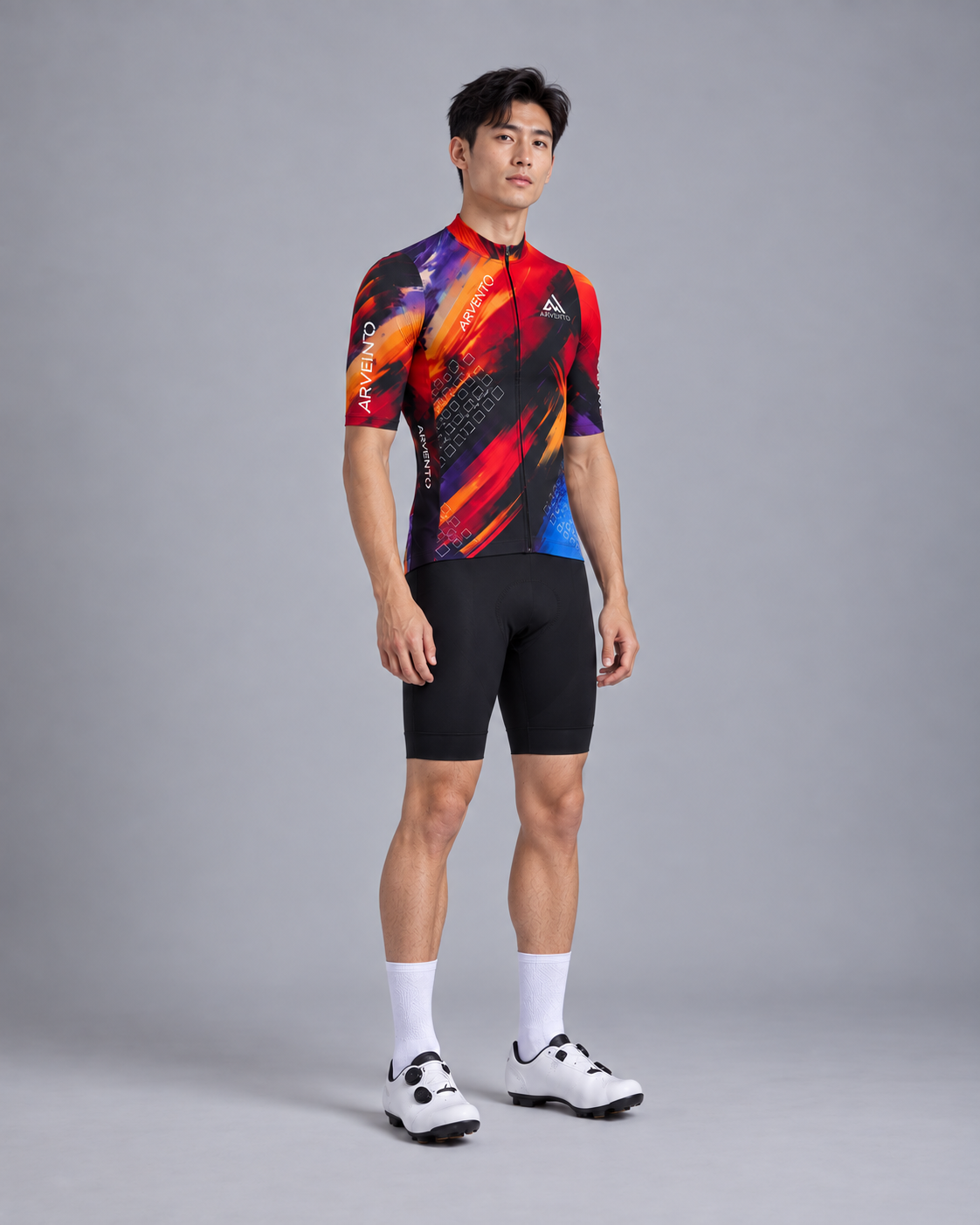
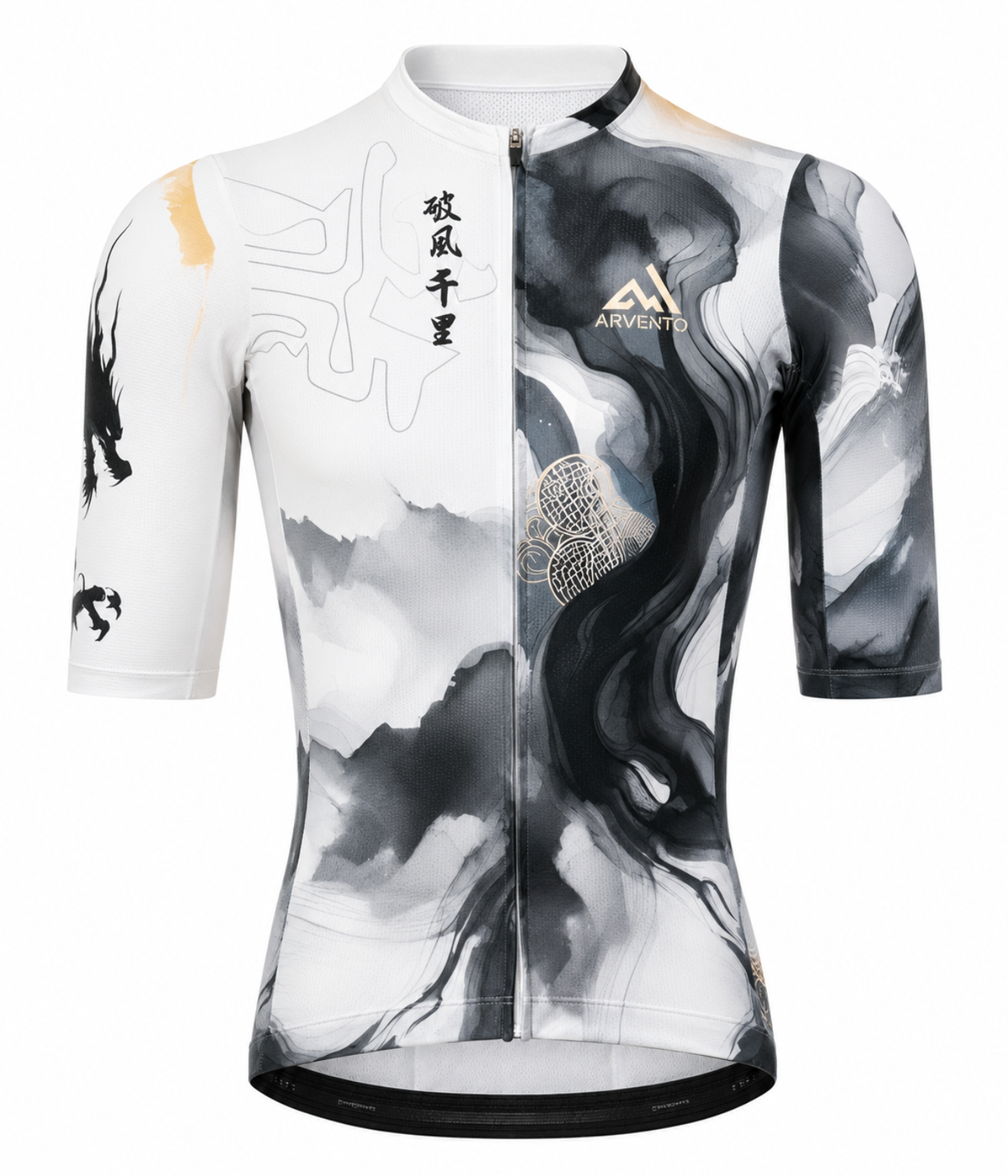
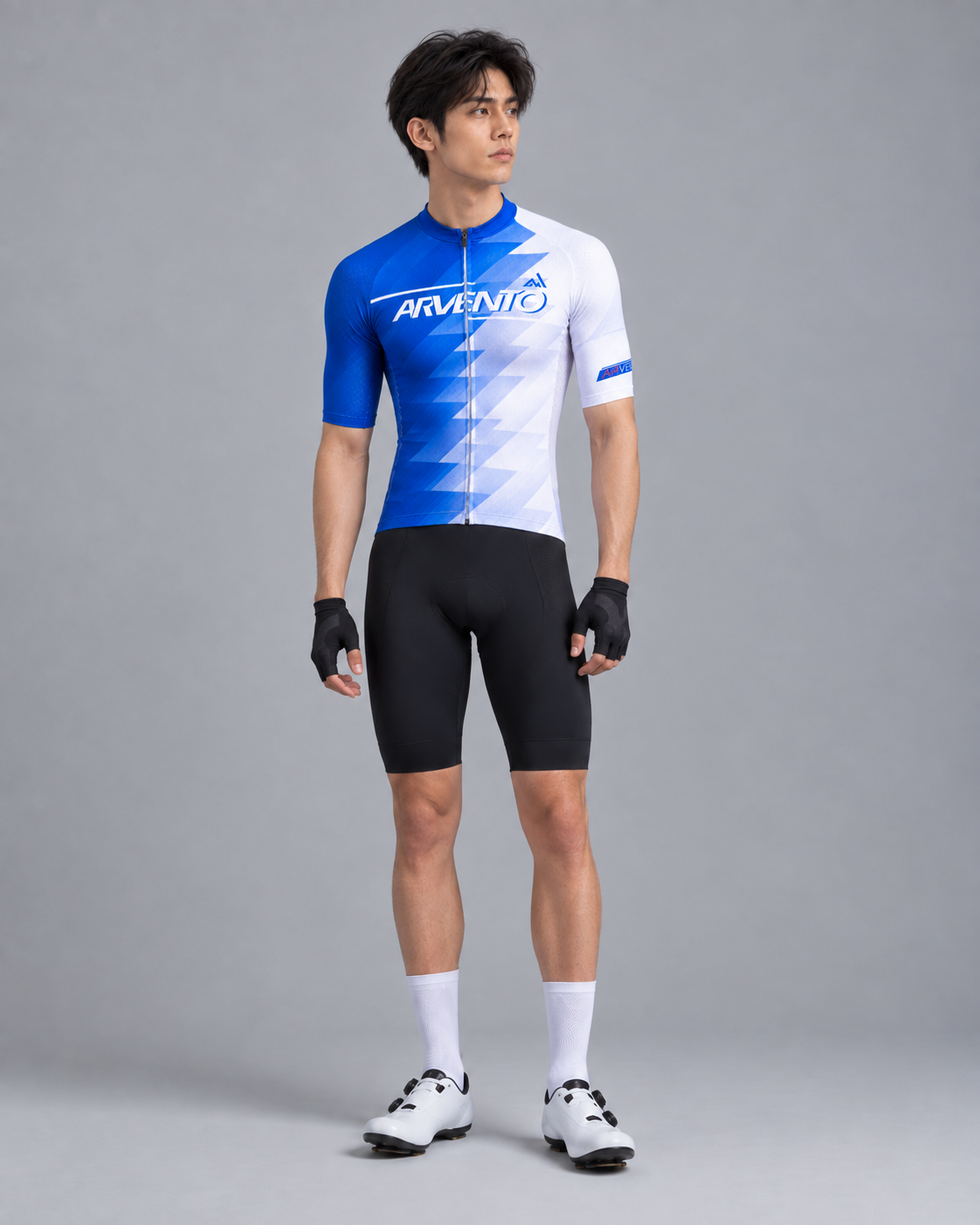
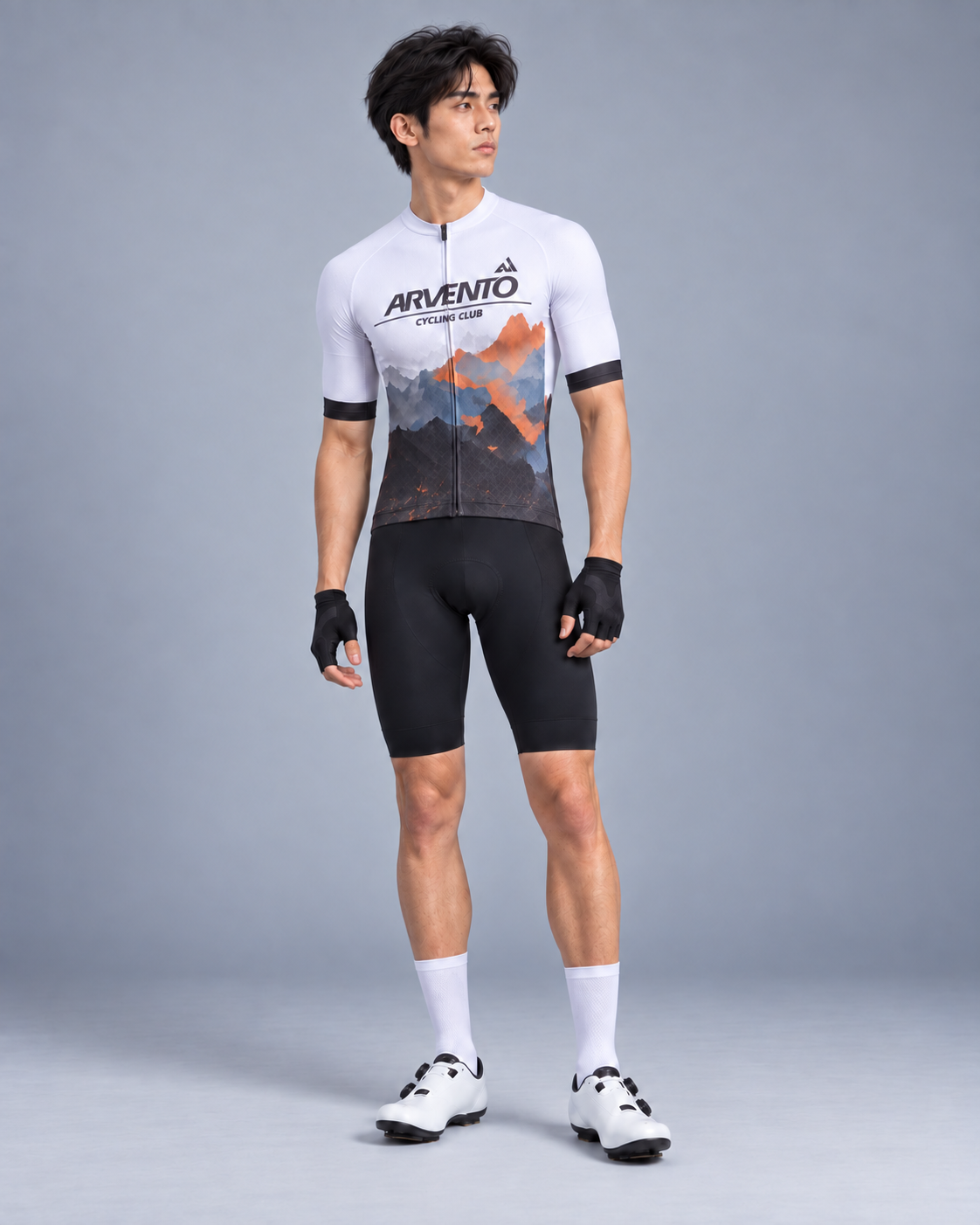
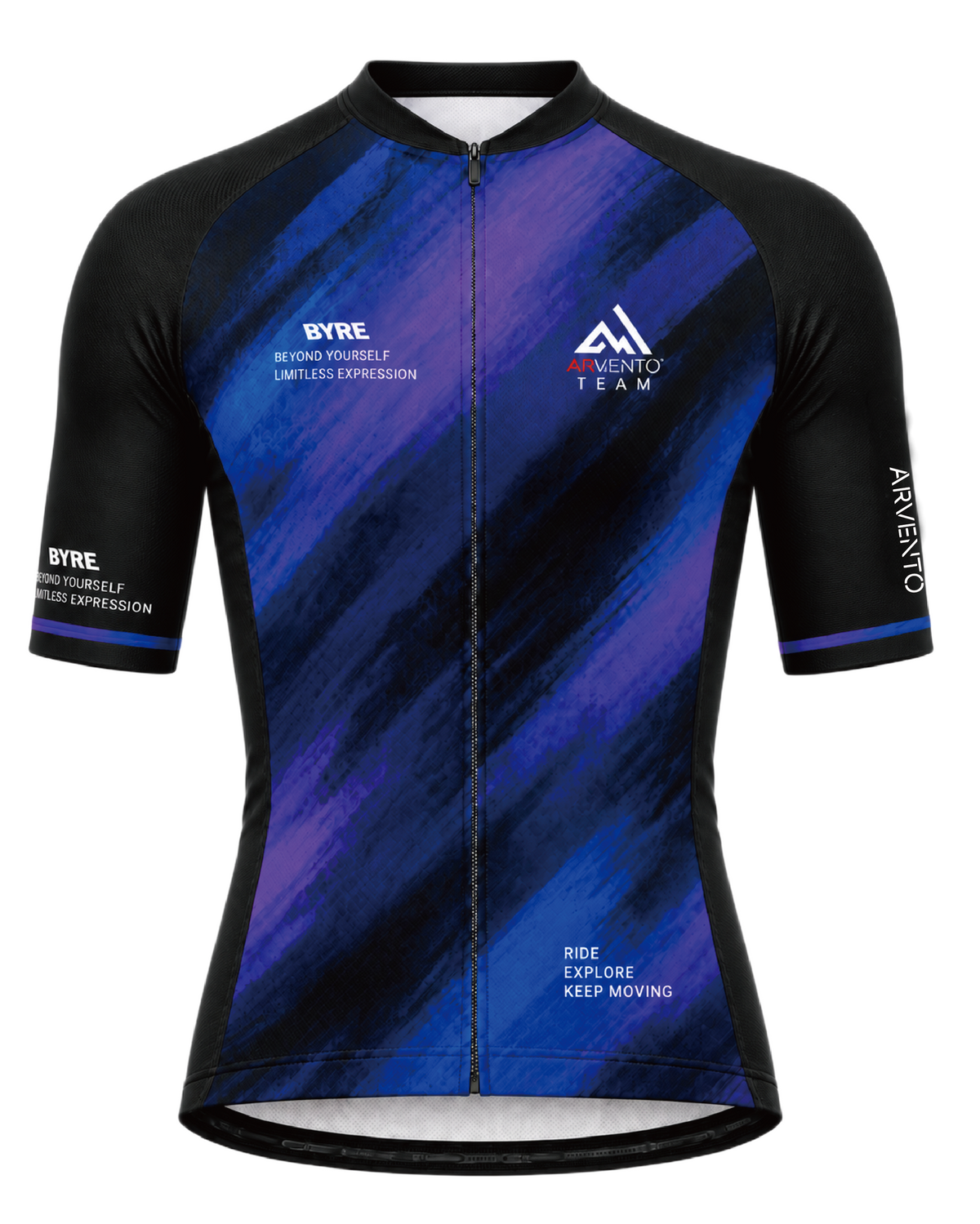
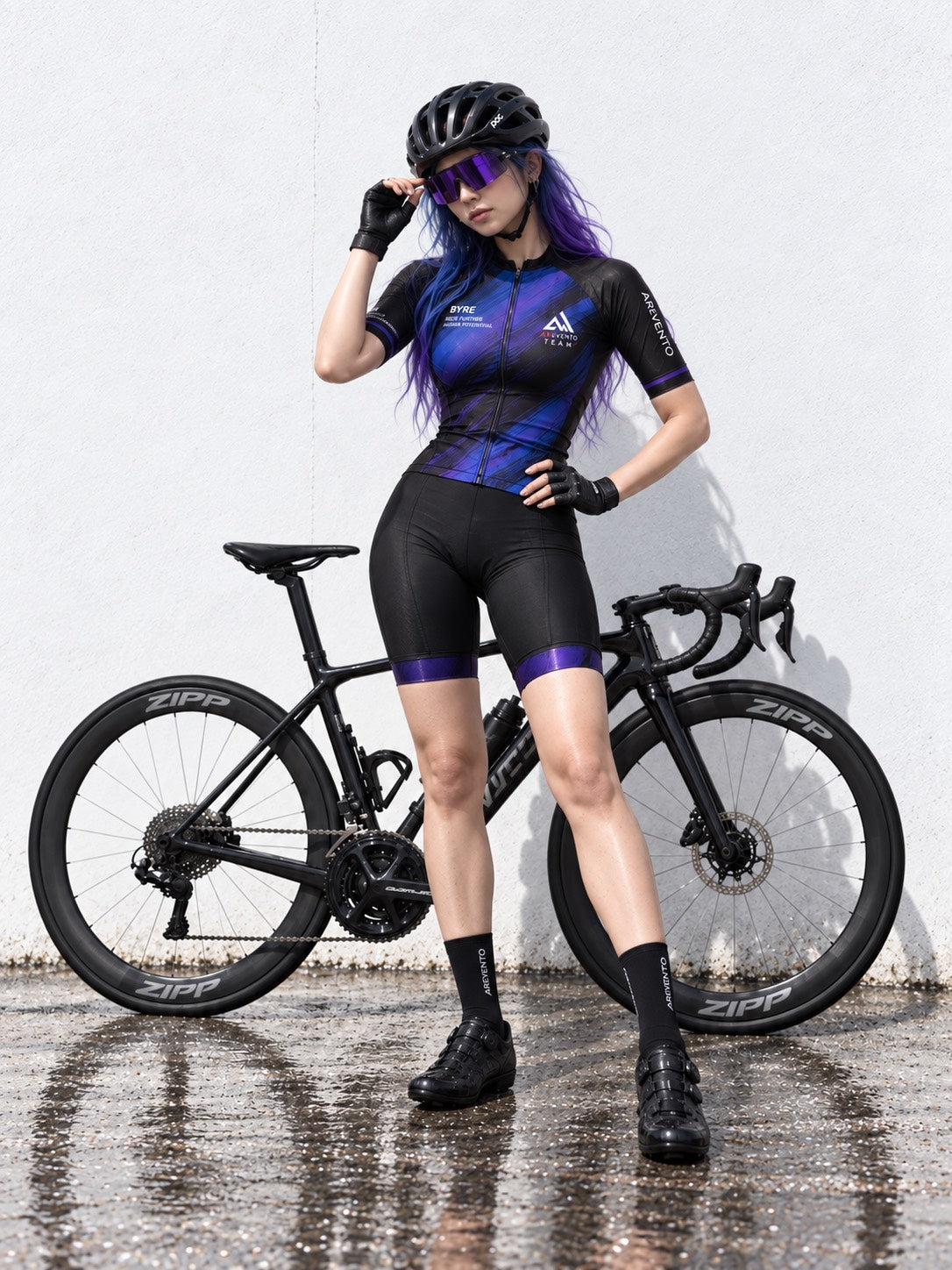
ARVENTO connects cycling apparel with places, cultures and stories. This Genoa chapter is inspired by navigation lines, naval design, old stone, Mediterranean light and the enduring human instinct to explore beyond the known.
Ride the world. Wear the story.
ARVENTO cycling apparel is available through the brand's current sales channels. Availability, sizing, price, shipping and tax vary by market.